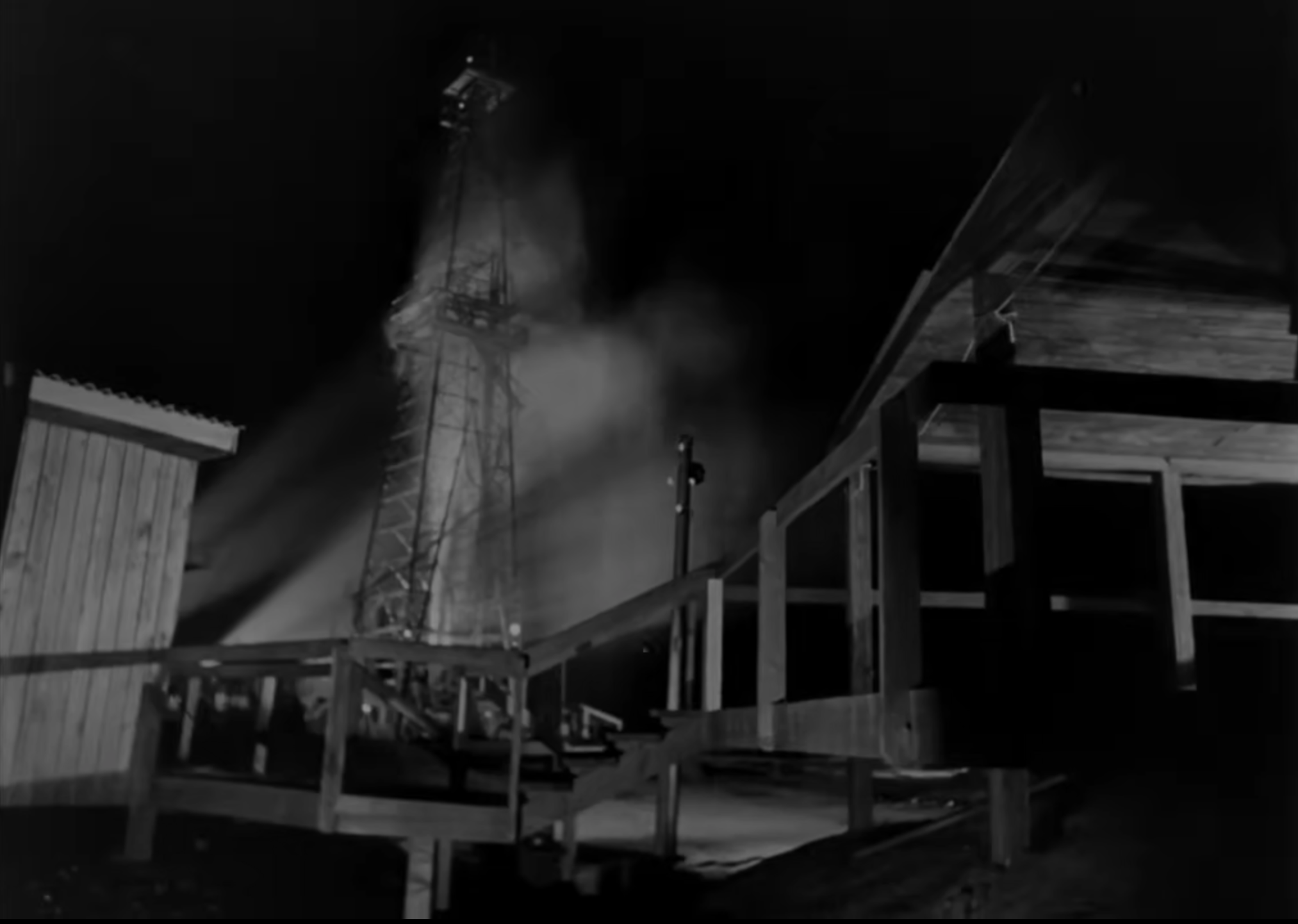
Theoretical Precursors Non-Invasively Extracted from Liviu Ciulei's Eruption (1957)
Epistemological borings in the margins of a socialist noir sexploitation drama.
1. Drilling as:
a) time travel to our extinction.
b) deep-sea oil spilling.
2. Extraction - the chronicle of a never-ending agony.
a) exo-regnum families in the Industrial era - the assisted death of the first machines.
b) the double-posture of the derrick in the film - hyper-objectified and anthropomorphized (and infantilized).
c) Necro-feeding loops of the Neozoic.
3. Proto-female gaze in the film, subverting patriarchy in socialist Romania.
a) economical Marxism without cultural Marxism in Eastern European socialist societies.
b) patriarchal dopamine kick.
4. Production of metaphysics in the Soviet perimeter of meaning (PoM).
a) Hyper-objects; massive petro-chemical cities and giant assembly lines.
b) totemisation: the tractor, the oil well, the combine harvester.
(insert) Polymarket as the latest spawn of neoliberal necronomics. The doomsday markets. Embedded bio-extinctions of a market-centred modernity.
5. Notes on types of alienation.
a) cinematic totemisation.
b) viscosity conspiracy.
Time Travelling to Our Extinction
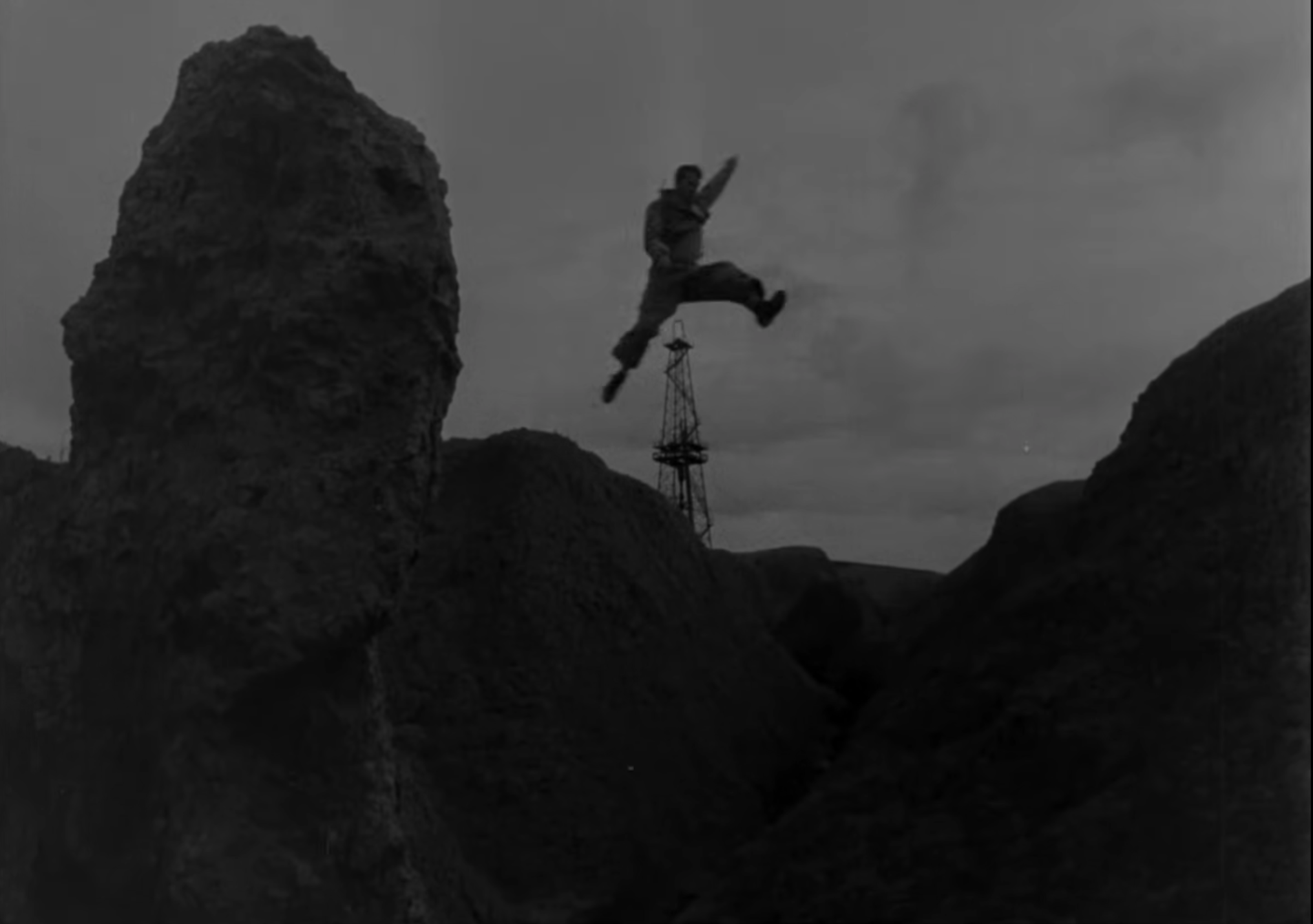
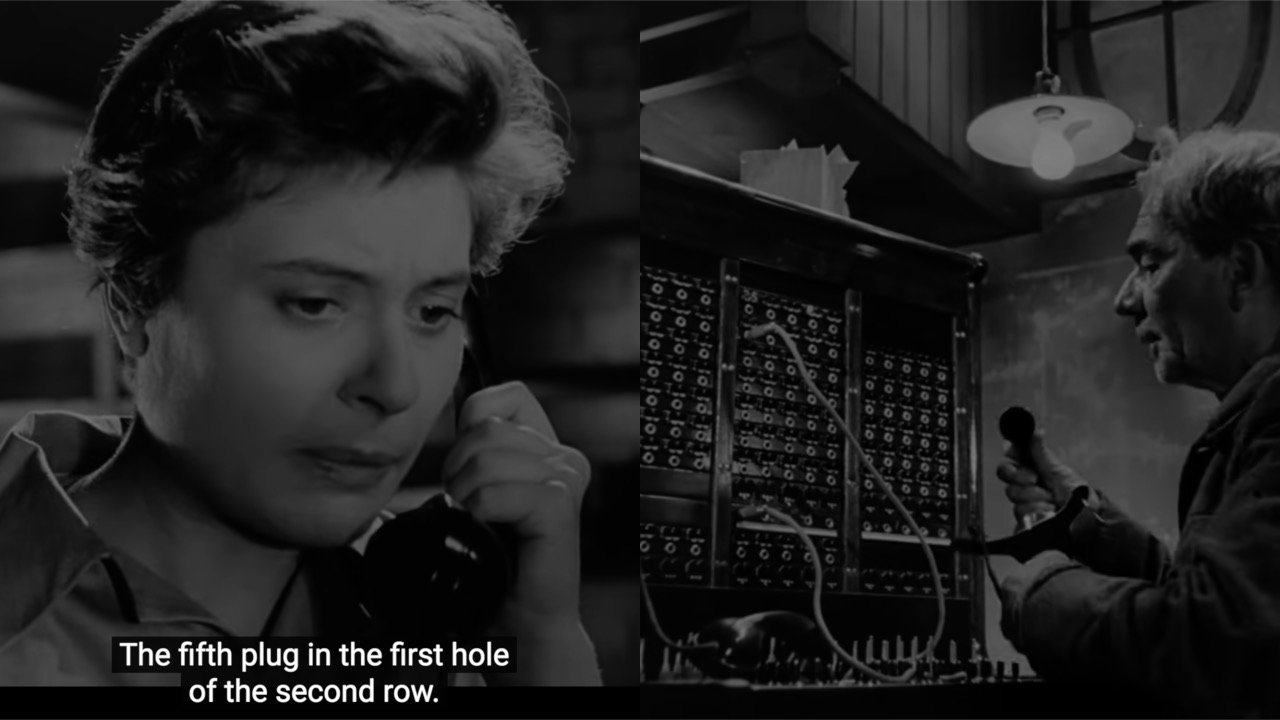
(All black and white images featured in this text are screenshots from the movie Eruption, 1957).
Fossil fuel as the main non-anthropic agent in late Neozoic accelerationism.
Extraction as time-travel from an anaerobe biosphere to a new toxicity. Reverse-engineered life evolution.
Archaeozoic biomass involuntarily mummified by a low-oxygen atmosphere.
Dying in pre-oxidation times. Expiring without fully decomposing.
Organic matter pressed into hydrocarbons (now) feeding the Holocene.
Pre-mammalian extinctions compressed in a crude stratum of ghost-fossils, a thanato-geological layer that still feeds the 21st century's global giant energetic networks. Crude oil is the "accursed share" (Bataille), ultra-distant remnants from a glitch in the organic re-synthesis.
By-products of prehistoric extinction events. Pet plastics achieving critical mass.
Present-day life forms awaiting the next catastrophic compression.
Catastrophism as neuro-nourishment and cultural fetish. Extinction bait. Bonding on the eve of our annihilation.
Drilling into the basins of compressed mass-death of the Paleoproterozoic (2.5 billion years ago). The compacted debris of thousands of species.
Deep drilling into the terrestrial crust is like poking into planetary bio-traumas, waking up tomb-sediments' spirits of past extinctions.
Deep-sea oil spilling - artificially accelerating necro-feeding
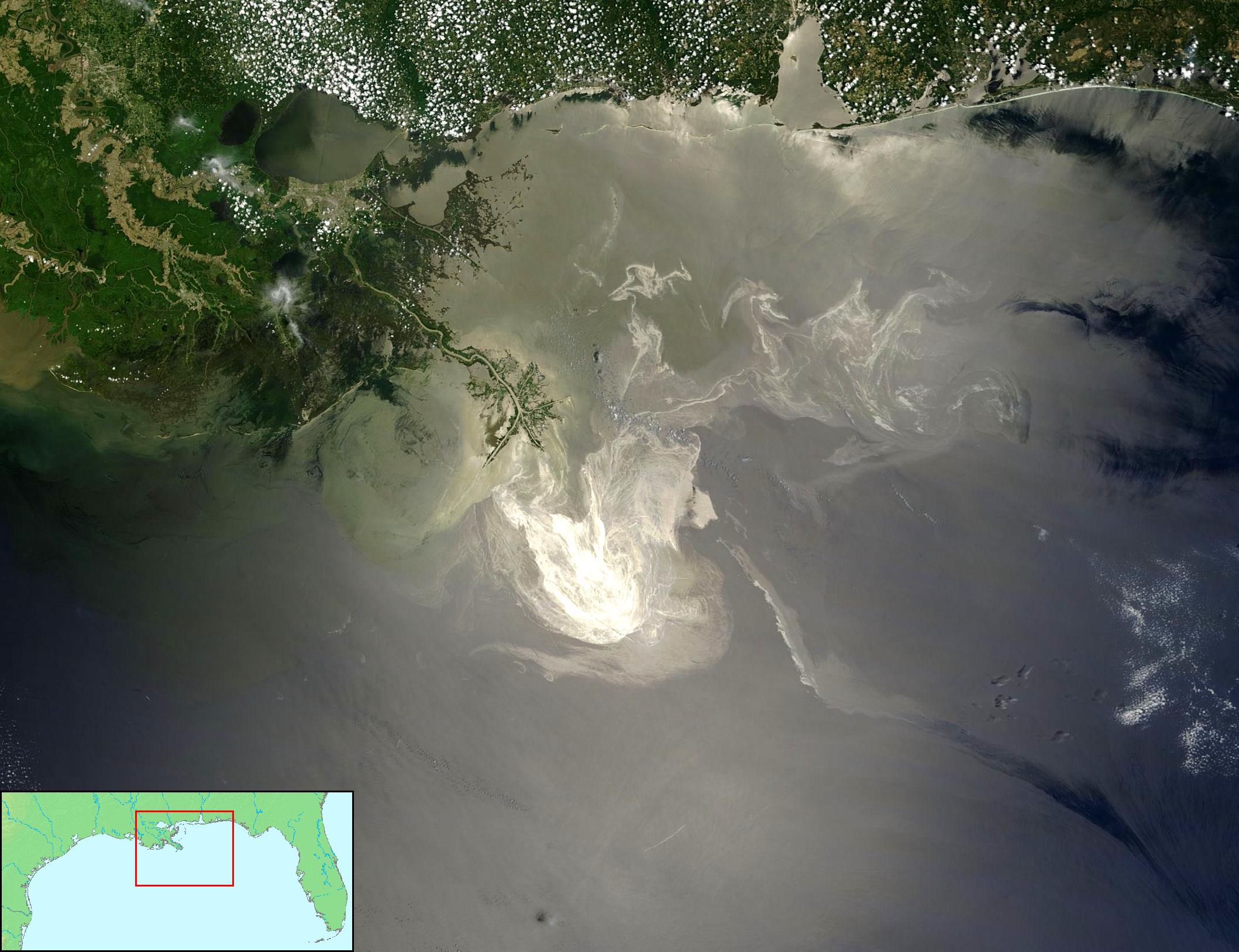
(NASA's Terra Satellites photo of the spill of Deepsee Horizon on May 24. Sunlight illuminated the lingering oil slick off the Mississippi Delta on May 24, 2010. - wiki)
The geo-karmic response to this abrupt resurfacing of Devonian melasa (dead microorganisms from early Cretaceous lake beds).
Deepwater Horizon sank on 22 April 2010. The remains of the rig were located resting on the seafloor approximately 1,500 metres (4,900 ft) deep at that location, and about 400 metres (1,300 ft) northwest of the well.
(wiki)
Oil spills understood as an attack of the organic past on the current biosphere. Ocean creatures of ca. 200 million years ago preserved by radical contingency in the poorly oxygenated Proterozoic; unfathomably pressed for millions of years, liquefied in the process, brought to the surface and used as energy after tens of millions of years by primates with hypertrophic brains.
Condensed generations of zombie corals from an incommensurable past, spreading death among contemporary multicelled organisms. At the peak of extraction wars, the army of the dead is overcoming the living. Rapid invisible deaths and latent extinctions are unfolding across all regna.
While perforating through ancestral geo-strata one will encounter Quentin Meillassoux's After-Finitude (2006), but much more ominously, one has to pass through Reza Negarestani's deeply unsettling Cyclonopedia (2008).
Drilling deeper and deeper only to find there is no bottom to the anthropic irrelevance.
Reaching The End Pit of homo sapiens' phenomenal self-model (T. Metzinger).
Extraction
- the chronicle of a never-ending agony -
Eruption has several "backgrounds". The use of resources without guilt despite the gradual diminution of enthusiasm for fossil fuel energy in modernity. The future can not be disconnected from coal, gas, and oil, although the effects of pollution were globally attested since the 1950s (see the U.S. Air Pollution Control Act from 1955).
A strange creature appeared before me, like a ghost of these oil wells abandoned for decades.
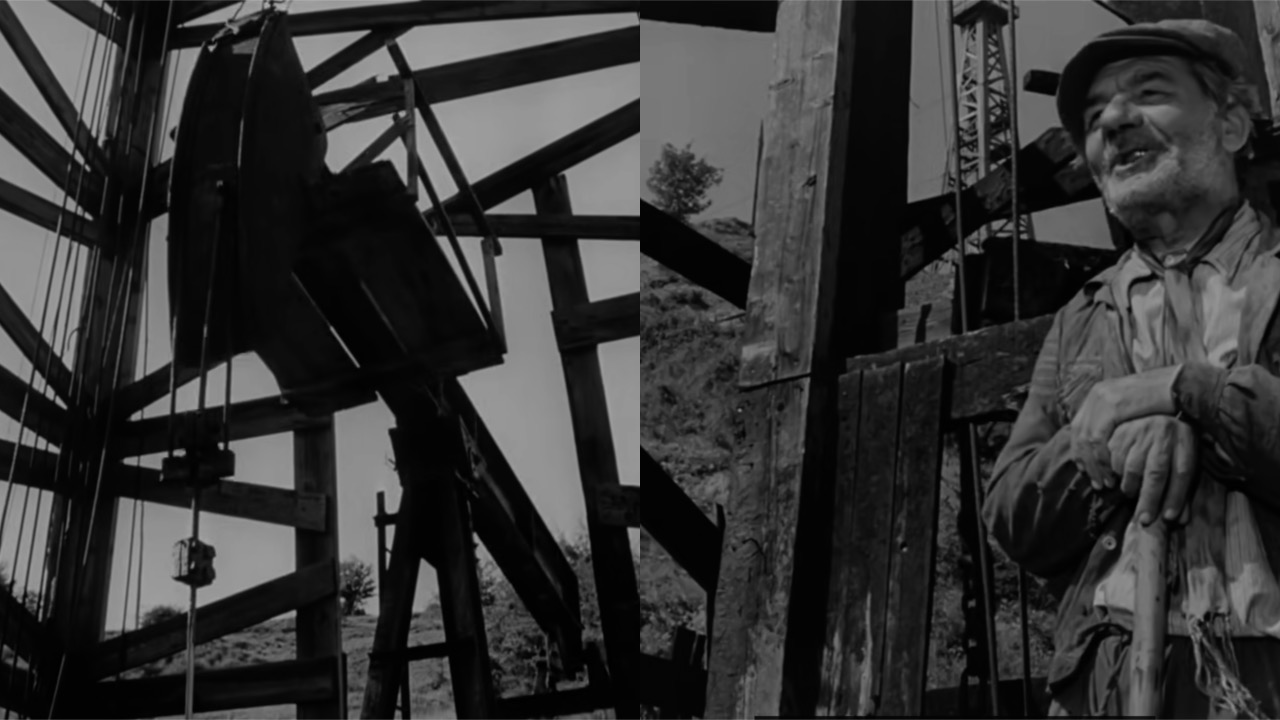
The first character Anca encounters is something of a "guardian of the extraction galaxy", a pre-modern hero who has been watching over the proper functioning of the energy pantheon for 50 years.
A kind of prophet/Cassandra who, although announcing the end of the industrial era, cannot re-profile himself post-extraction, in sync with the socialist system that cannot adapt to an eco-aware future (or it lacks the ideological conceptual tools to do it).
Extraction, as energy anchor, was already exhausted in Ciulei's time. In the movie, we quickly learn that the wells only look majestic, as technically they no longer "extract"/produce anything.
The first phase of modernity understood the planet as a perpetual resource. A utopia of extraction without consequences, enjoying the fossil fuel energy ride; the mega-industrial trip that all ideologies have promised to never end.
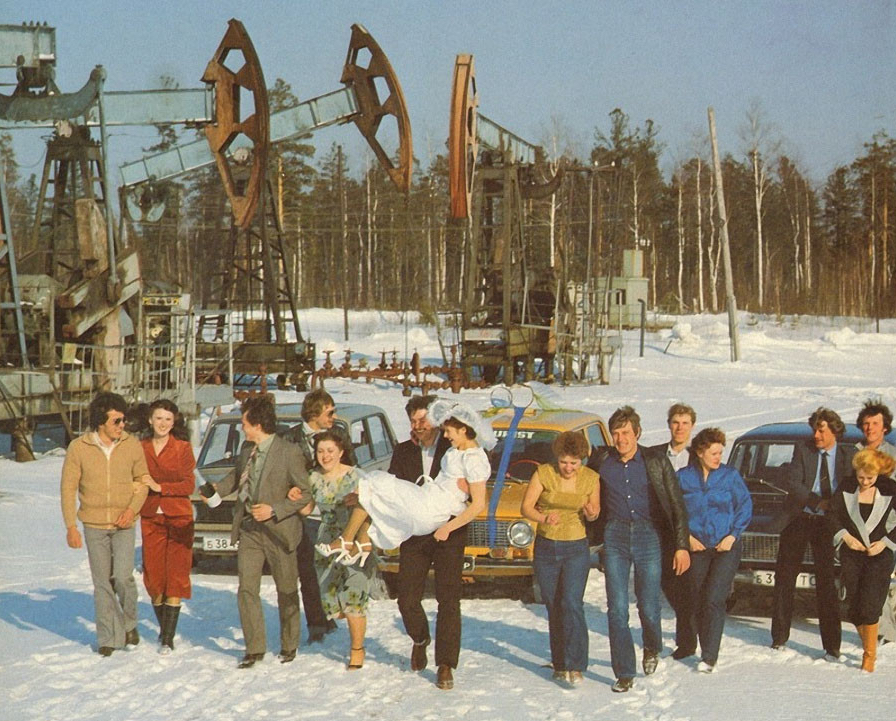
(Wedding at Samotor oil field in 1985 - from Soviet Visuals)
In the first half of the twentieth century, fossil fuels had generated the internal structures of the socialist PoM, organizing and grounding hundreds of thousands of families.
Huge assembly lines (Tolyatti car plant) were maintained by the socialist states of Eastern Europe until the last moment because the party structure refused any kind of conceptual ideological device through which the state could update itself and become more in tune with the new economic, technological, ecological and digital paradigms. To "orient" itself in global neoliberalism, to be in the vanguard of the ecological movement, to deal with automation on the horizon and to reform its Work ethic, an "absolute" of the socialist states that should also have been open to criticism. Although Zhivkov's dream was that in the 80s Bulgaria would become the "Japan of the Balkans"); aspiring to a techno-socialist destiny, fast syncing through copy-theft (outernational modus operandi).
It's also very important to mention that in the USSR, research in the area of cybernetics began as early as 1961, see Aksel Berg's study Cybernetics in the Service of Communism, produced by the Cybernetics Council of the Soviet Academy of Sciences. The conclusions of the study, ignored for decades, created a gap in the Soviet digital connection. Only in the 1980s, in emergency mode, did they try to cybernetically update centralization to prevent national collapse through a "mega" computer, see Intensification 90. It was a desperate digital transition of the "Plan", with no ideological meta articulations to back it up; the famous "Five-Year Plan" accelerated to pieces. Perestroika died from inception; no A.G.I. could've saved it. Somewhere else on the Asian continent, Deng Xiaoping's reforms proved to be the only way to save central planning.
In other outernational socialist attempts, we will never know what Chile's Cybersyn project would have become if it weren't for the brutal US (CIA) coup and the murder of Salvador Allende in 1972.
Necro-feeding. Fossil fuel's firm grip on the Anthropocene.
At Ursei, Moreni, in order to reach as deep as possible into the Palaeozoic layer, experiments were carried out with water injection (1951), turbine drilling (1952), hydraulic fracturing (1955), depth valves in the gas lift system (1956), submersible electric pumps (1962). In 1987, a drilling depth of 7,000 m was reached.
(Source)
The anchoring of modernity in the Carboniferous ends up expropriating homo sapiens from the biosphere.
The obligatory combustion of progress 1.0 that the proletariat reclaims from the monopoly of oligarch-capitalism. The monetization of "combustion" is thus hijacked from capitalism to support the other modern project: universal equality. The involuntary accelerationism of the Soviet Union drilling as deep as possible into the Precambrian granitic gneiss. See The Kola Superdeep Borehole SG-3 which reached a vertical depth of 12,262 meters in 1989 and remains the deepest well drilled vertically into Earth.
The party kept boring into the Siberian frost until its end (see this 1970 documentary about the gigantic Samotlor oil field).
The Female Gaze in Socialism
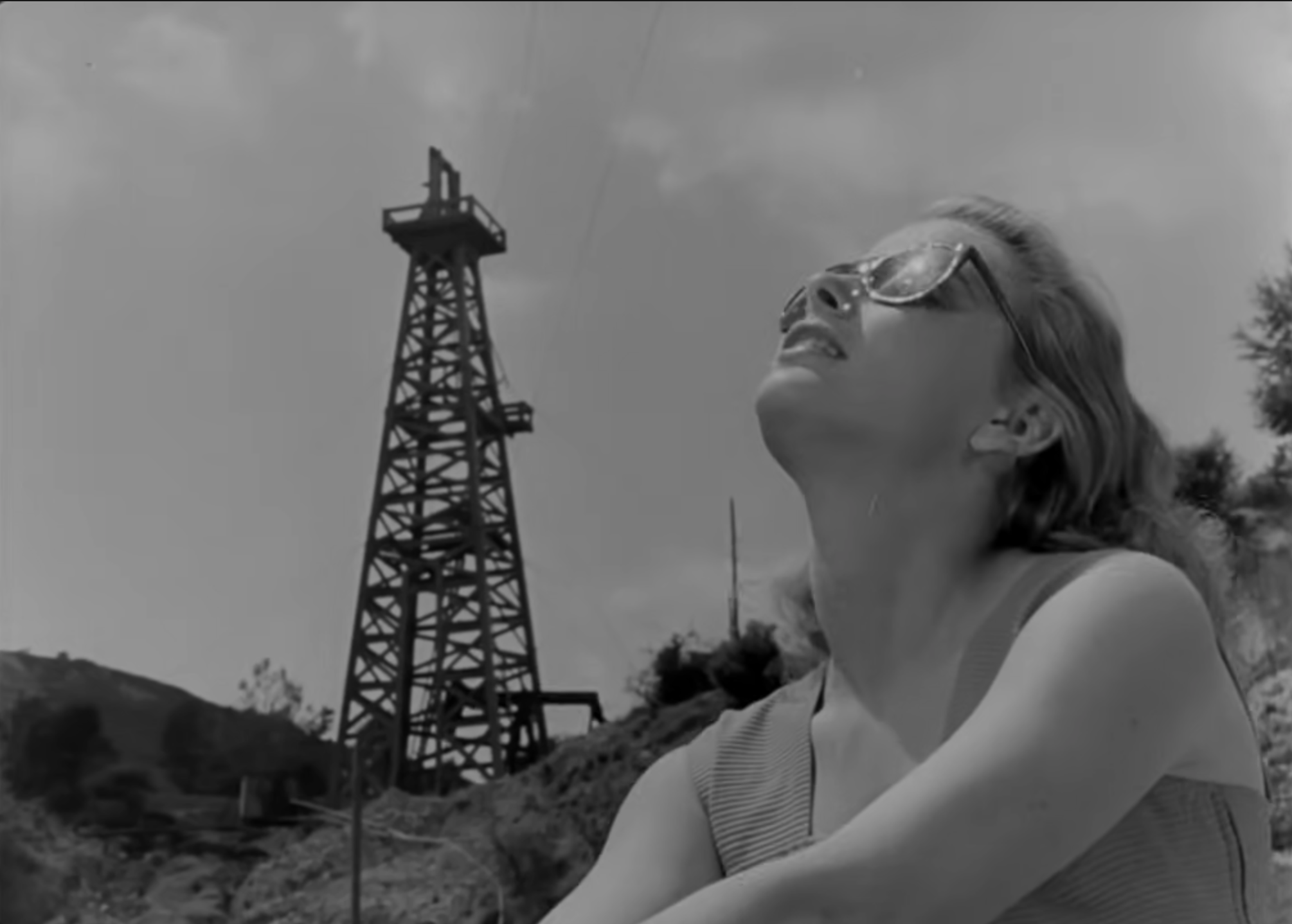
Ciulei's film captures socialist modernity in its attempt to harmonize the rural with the urban on FFW, to respond ideologically to the cultural paradoxes it faces. The transition from the pseudo-modern interwar period (monarchy, capitalism, highly religious, with its own inbred version of fascism) to a totally modern project institutionalized on socialist coordinates. Revealing the capitalist and pre-modern baggage already ingrained into the fiber of the elites and the local bourgeoisie. (class supremacy, superstitions, patriarchy) and the alert rationalization of another modernity opposed to the Western-oriented pre-war one.
The film is full of the anxieties of a processual reality sparked by the ultra-rapid post-war modernization imposed by the Soviet project.
We see unfolding the ideological and affective disturbances of the male activist protagonist (as in Marin Preda's novel, Delirium), as he realizes that there is also a production of subjectivity.
Ciulei's cinematography discreetly destabilizes the ideologically projected reality. Unbeknownst to them, the protagonists are engaged in other egalitarian struggles outside the Marxist-Leninist one. We realise how many add-ons are missing from the historical process.
The film can be a precursor of a critique of the means of cultural production from 1946 to 1989; it probes this cultural layer and exposes patriarchal prejudices, proletarian misgivings and communities shattered by various ideological de-territorialisations. Micro and macro convulsions of this brutal transition to the "new world" and the sudden loss of class privileges.
It also anticipates Simone de Beauvoir's 1970s statement, that the struggle for gender emancipation runs parallel to that of class, implying that a permanent revolution is needed also in the (re)production of culture. Retrospectively, the Soviet Universe betrayed this struggle, albeit as Maria Bucur and Mihaela Miroiu observe in The Birth of Democratic Citizenship (2018), the socialist project emancipated the position of women in society (universal suffrage, universal access to higher education and university teaching positions). Yet through the films of that era, we see how prejudices, behaviour, mentitlement and other engines of patriarchy are almost intact.
The Bucharest nightlife, the art-deco jazz bar/club, the seduction of inter-war lifestyle is gradually distorted through sound, echo effects insinuating themselves into the couples' dance and discreetly alienating both characters and spectators. The ambiance is manipulated to convey the modern urban angst and the (otherwise lovely camp) bourgeois decadence. As if capitalist society has exhausted its subjects through consumption and entertainment.
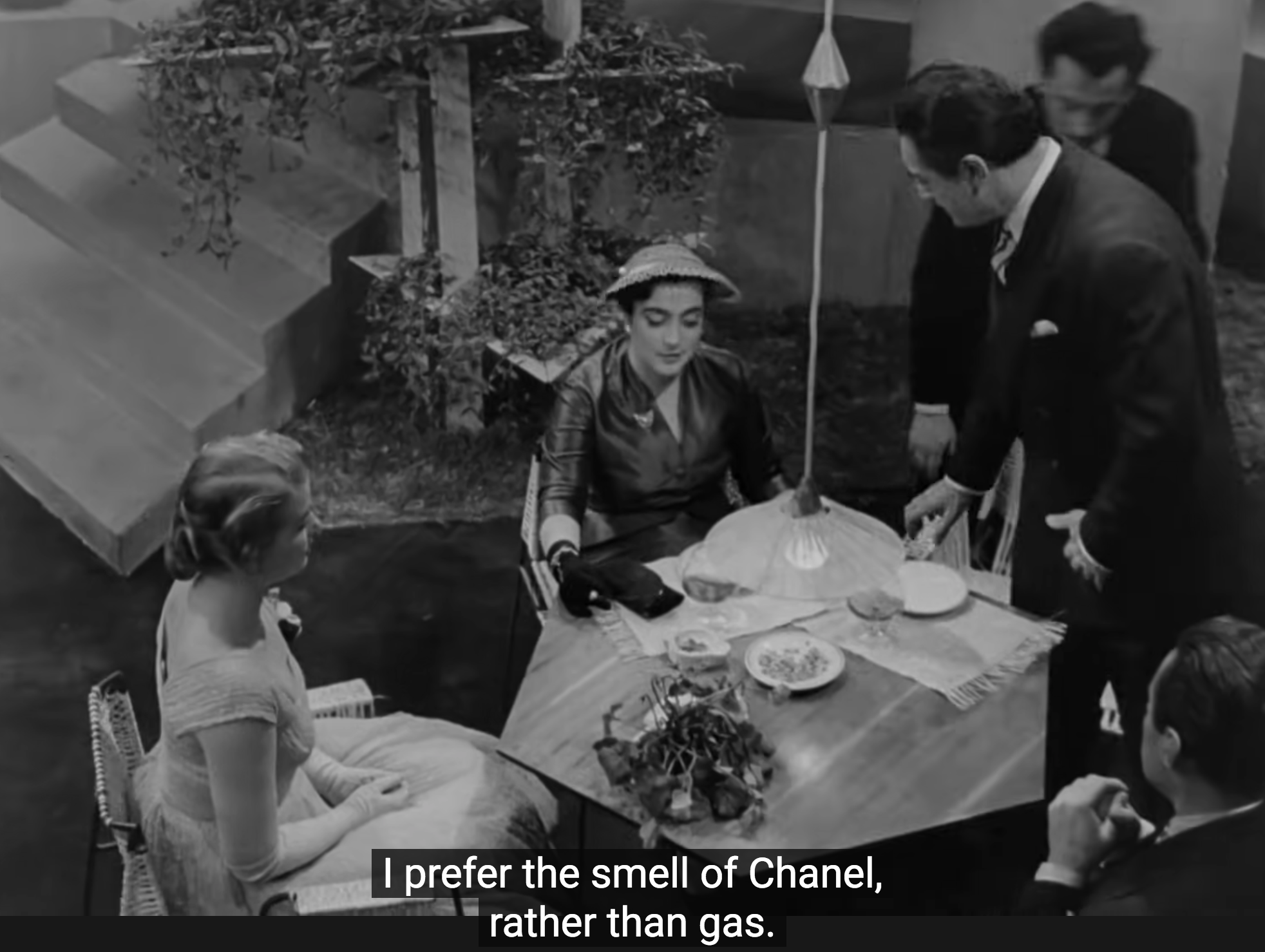
Ciulei's film also employs a (proto)female gaze. Narrated by a woman, the film's plot also revolves around two women, Anca (a researcher at the Geological and Geophysical Prospecting Enterprise) and Bica (a former telephone operator who now analyses mud samples in the Ursei 2 laboratory), with destinies broken or limited by patriarchal prejudices that transcend the political spectrum.
Bica went through two unhappy love experiences with a student and a tailor, being wrongly convicted of Prostitution (illegal sexual activity), she had been arrested just for sitting alone on a park bench ("they took me to the 'morals police' and sentenced me to 6 months in prison for prostitution"). In love with her, the worker Gore brings her flowers and defends her from another violent worker who wanted to "take advantage" of her (then he finds her prison release card).

This revelation of her penal history ignites Gore's discombobulating moment, we see his convulsive processes in confronting pre-modern prejudices about love, relationship with non-virginal women, and how the modern frame might be liberating, handing him a solution to its affective conundrum. The liberation of women opens the possibility of a relationship without societal stigma and Christian labelling, because in socialism, one should be able to stand up to pre-modern stereotypes and trolls. Yet in the Soviet era, prostitution was considered a "sin" of bourgeois societies, thereby any conceptual possibility of legalizing sexual work was excluded by default. An ideological reform outside any horizon of the possible in the Soviet sphere. Cultural Marxism had not been invented.
Prostitution is a leitmotif in Romanian films from the socialist period; we also find it in Cine mă strigă? (1978) - where director Letiția Popa directly addresses the clichés untouched by modern deconstruction, how patriarchal stigmatization remains unperturbed even in socialism, the protagonist being vaguely defined by "immoral behaviour" with a subtext of prostitution. A free woman can only be a sex worker, as the jealous worker in Erupția screams when his attempts to hit on her are refused, "...she's a whore, she's a whore!". The female condition somehow remains the same, see also Angela merge mai departe (1981) - the sexist remarks of male customers when confronted with a female taxi driver.
Maybe cultural Marxism is exactly what Eastern European socialism was missing. But also, the Cuban one).
Women were still abused by pre-modern Eastern Europeans, where historically Byzantine Orthodox Christianity had held back any cultural progress. An abuse only seemingly diminished by the newly installed communism. In Eruption, women are recurrently verbally and physically assaulted by growling men.
At one point, Sadie Plant's (Zeroes and Ones 1998) perspective also appears in the film. The women are always scientifically grounded; they speak in terms of gas deposits and gas villages. For Anca, the eruptions have nothing superstitious, compared to how a local male presents the former eruption of '33: "the forces of hell were unleashed", much to the boredom of the heroine. (Which also sends us to the TV mini-series Lessons in Chemistry, 2023.)
In one of the last scenes of the movie, Bica ("The Zero") guides the Lovecraftian guardian character via phone to operate the large modular of fixed telephony in order to announce "to Bucharest" the catastrophe/eruption.
Throughout the film, we see the naturalness of the dispatchers using modern technology, coordinating the state interface through jack cables (managing the electrical inputs-outputs); although they do not have access to the means of production, women are more advanced. They are inside the computer case. The telephone operators were the first to be initiated in the technology of the new worlds in all modernities.
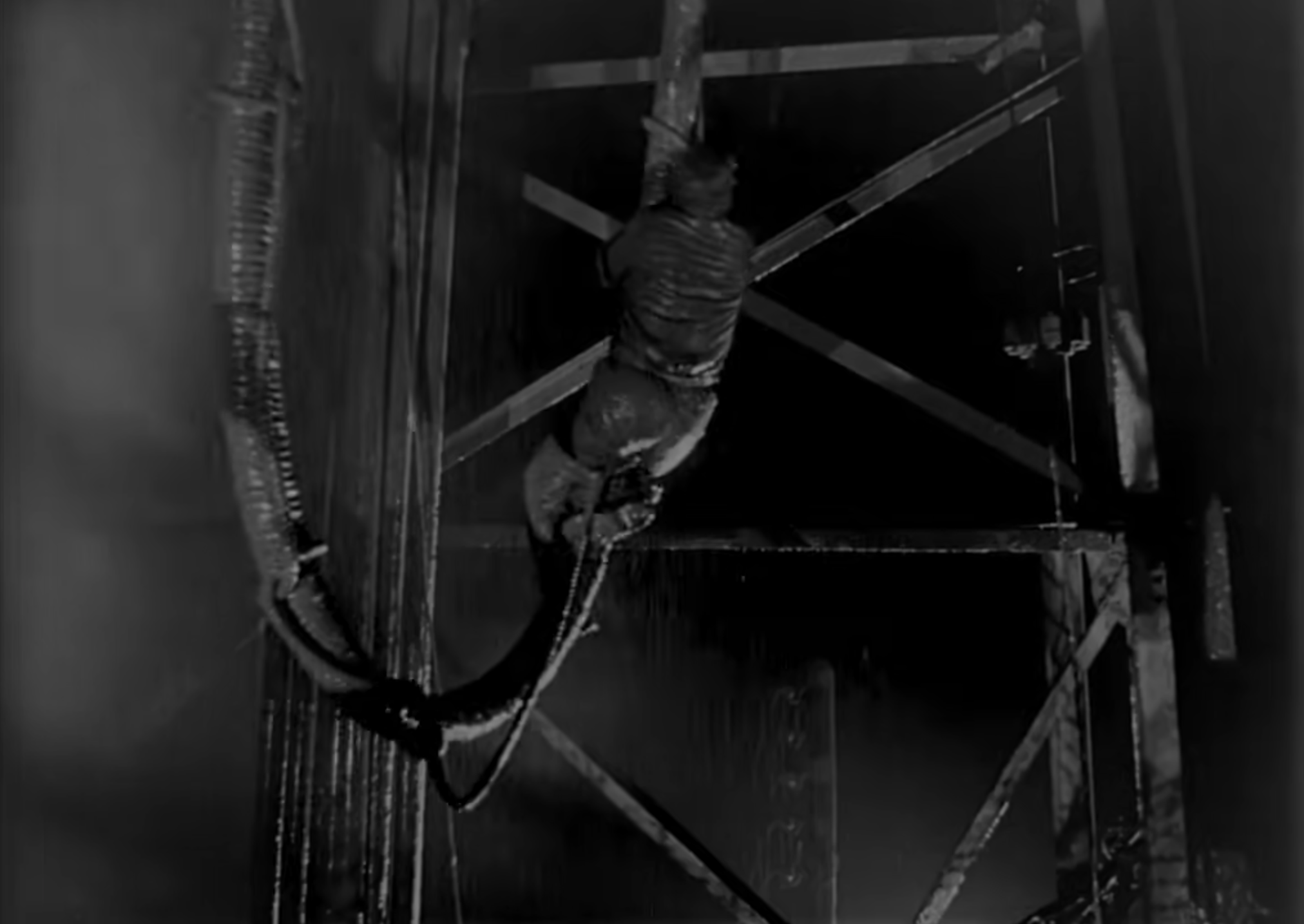
Ciulei's film notes of sexploitation and proletsploitation are taking place in the shadow of the oil derrick, which is a hallucinosis in itself, never filmed conventionally, permanently in the background or in the foreground, like a psychotropic mechano-plant that absorbs the subjects who reach its orbit. The derrick renders reality as a black-and-white psychedelic experience.
Subverting patriarchal dopaminic drilling (Drill, Baby Drill!).
Drilling as a phallic bonding zone. The penetrative connotations of the achievements of "man". Dopaminic reward, the resonances of the manosphere. The ejaculative eruption. The adrenaline of the possibility of an explosion.
How to bore a vaginal (bottom) perspective, a non-in-out bottominic response.
We will also secrete philological fluids on top and around our extractions. Rimming our way through sediments.
(insert)
Polymarket as the latest spawn of neoliberal necronomics.
The doomsday market. Embedded bio-extinctions of modernity.
Extinction is just a Polymarket category. A market mutation that not even O.G. libertarians like Hayek, Mises or Milton Friedman couldn’t predict: Catastrophe Markets. (Although it is the full extent of their logic)
War, famine, weather devastation; today’s laissez-faire market has morphed into a generalised gambling on life, perhaps the inevitable result of the financialisation of the entire Anthropocene (see the "extraction" of Maduro, Iran war), and especially its demise. On Polymarket or Kalshi, we are lured to bet on our extinction, while A.I. companies deep learn from human tragedies (as the Gaza genocide), considered gold mines of data extractions - hospitals under assault coping in war conditions, learning how the whole personnel reacts when over-capacitated by a sheer number of injured people, then selling their improved product to the NHS.
In the US, Purdue Pharma (OxyContin), with the FDA's blessing, pushed market-based accelerationism towards the edge of a social apocalypse. Big Pharma boards decided they can quasi-"sustain", or “perpetuate”the mental health status quo, as long as it keeps delivering huge earnings
The mass disequilibrium is embedded in the business plan. "One" can estimate what "one's" product will produce in the society (within other phenomena, like poverty!) - lacing the national cocktail of addictions (24-hour media cycle, high dopamine food, trigger politics, job inadequacy, job scarcity of automation, social media FOMO, wellness anxiety and stardom losership) with a new synthetic opioid, fifty times more potent than heroin.
A brutally fast brain circuit-bending ensued, leading to extreme convulsions and community traumas (fentanyl update) that the market isolates itself from. The "invisible hand" is fucking around.
In the same vein, Silicon Valley's messianic libertarian Stalinists also estimate the deep side-effects and huge disturbances their meta-project of techno-monarchy entails, integrating without a wink the "collateral" black holes that their companies might prompt within earth's societal constellations.
In an absolute free market PoM, mega ruptures in the social fabric are expected and thus treated as an acceptable/workable risk. Yet in capitalism's history, this is not new.
The ruling economic classes have always extracted wealth from working classes, and now in the digital sphere, as Tim Wu argues (The Age of Extraction: How Tech Platforms Conquered the Economy and Threaten Our Future Prosperity 2025), social media platforms are now data extraction fields, users are being drained of information, feeding immense LLMs, as our all-encompassing subjective experience and all output of our abstract bodies are being stored in giant data centers. Perhaps future digital sediments to be extracted by the spawns of transhumanism that still can't escape the cycles of necro-feeding.
Hyper-objects and totemic figures of the central planning
- the production of metaphysics in Eastern European socialist modernity -
Cinematic Totemisation
Nowadays, every country sees film as a sharp tool… In just a moment, it can turn celebrity stories, historical and commemorative events, and scenic attractions into films. And then films can be distributed in the countryside. People in our nation are still under cultivated (minzhi weikai. 民智未開.). They have never seen, not even in their dreams, the new inventions from the West. Make them watch film will be great!
(Moving Shadow Play - Huodong Yingxi, 1910s)
As thoroughly explained in Yanping Guo's The cinema of make-believe: Rural viewers’ early reception of film propaganda in socialist China, cinema was essential for the spreading of the socialist type of modernity. Soon after entering the soviet dome, Romania also started a campaign of building cinemas in the deep rural. The "House of Culture" (Cămin Cultural / Dom Kultury)
New type of alienation.
Ciulei also counts on this power of cinema to mythologize persons and things, to magnify characters and modern entities. The medium contains its own critique. New myths can produce alienation.
These magnified non-anthropic tropes are being elevated above the heads of the workers; suddenly, the proletariat seems to be just an extra in a pumping jack movie or non-playable characters in a petrochemical complex SimCity game. The industrial era’s main characters squash the human scale with their magnitude.
[...] Ctitoria canalul Dunăre - Marea Neagră denotă forța unei economii a cărei vocație este progresul!
/
The construction of the Danube - Black Sea Canal
denotes the strength of an economy whose vocation is
progress!
(from the documentary Sistematizarea teritoriului României Socialiste,
factor determinant în ridicarea calității vieții, 1985)
Totemic assemblages (factory, metallurgical complex - combinatul) became indispensable to the new post-tribal, post-feudal reality, as they provided the Socialist Village with the necessary routines of a declared completed Revolution.
The pumping jack as the main character.
The pumping jack had for energy the role that the tractor in Zemlya ("Earth", Dovzcjenko, 1930) had for collectivization; the oil well becoming the sun of the socialist energy constellation, around which the productivity and the advance of the proletariat orbit.
In Zemlya, the tractor overheats, and its radiator is cooled with urine by a peasant.
The edited reality poses a question to the ideologically projected reality, as the Soviet Union in the thirties also weaponized these industrial totems of progress against the countryside.
Greetings and congratulations to the workers and executive personnel of the giant Red Banner Tractor Works, the first in the U.S.S.R. The 50,000 tractors which you are to produce for our country every year will be 50,000 projectiles shattering the old bourgeois world and clearing the way for the new, socialist order in the countryside.
(Stalin’s speech at the opening of the first tractor factory, 1930)
The Sahia Studios and the Buftea studio released films that glorified these MacGuffin character-machines of industrial socialism. Anchors of the new order that keep contingency at bay. Elements that uphold social meaning.
- Oil Well (Sonda nr. - Alexandru Sârbu 1963)
- Bicaz Hydropower Plant (Trei strigăte pe Bistrița, Mirel Ilieşiu 1961)
- A giant industrial element (Cursa, Daneliuc, 1975)
Mircea Daneliuc's "The Race" - is a socialist road movie disguised in a documentary that follows a "heavy equipment element" - an enormous bearing - transported on a Tatra with "exceeded gauge"; carrying the Macguffin meta piece of the system. A "metal colossus" of the industrial mega-structure that holds together the socialist perimeter of meaning. Featuring Constantin Diplan - the eternal engineer of the seventies and eighties’ movies - the actor who most precisely represented the ideological projection of the new man.
- ship propeller of a giant oil tanker (ZIle Fierbinți, Nicolaescu 1975)
Sergiu Nicolaescu's "Hot Days" shows the tension between bureaucrats - appointed along party lines - and engineers, the scientists who have reached leadership positions through their skills in the field. The film contains a micro-critique of the system in a society otherwise projected by propaganda as (almost) perfect.
Viscosity Conspiracy
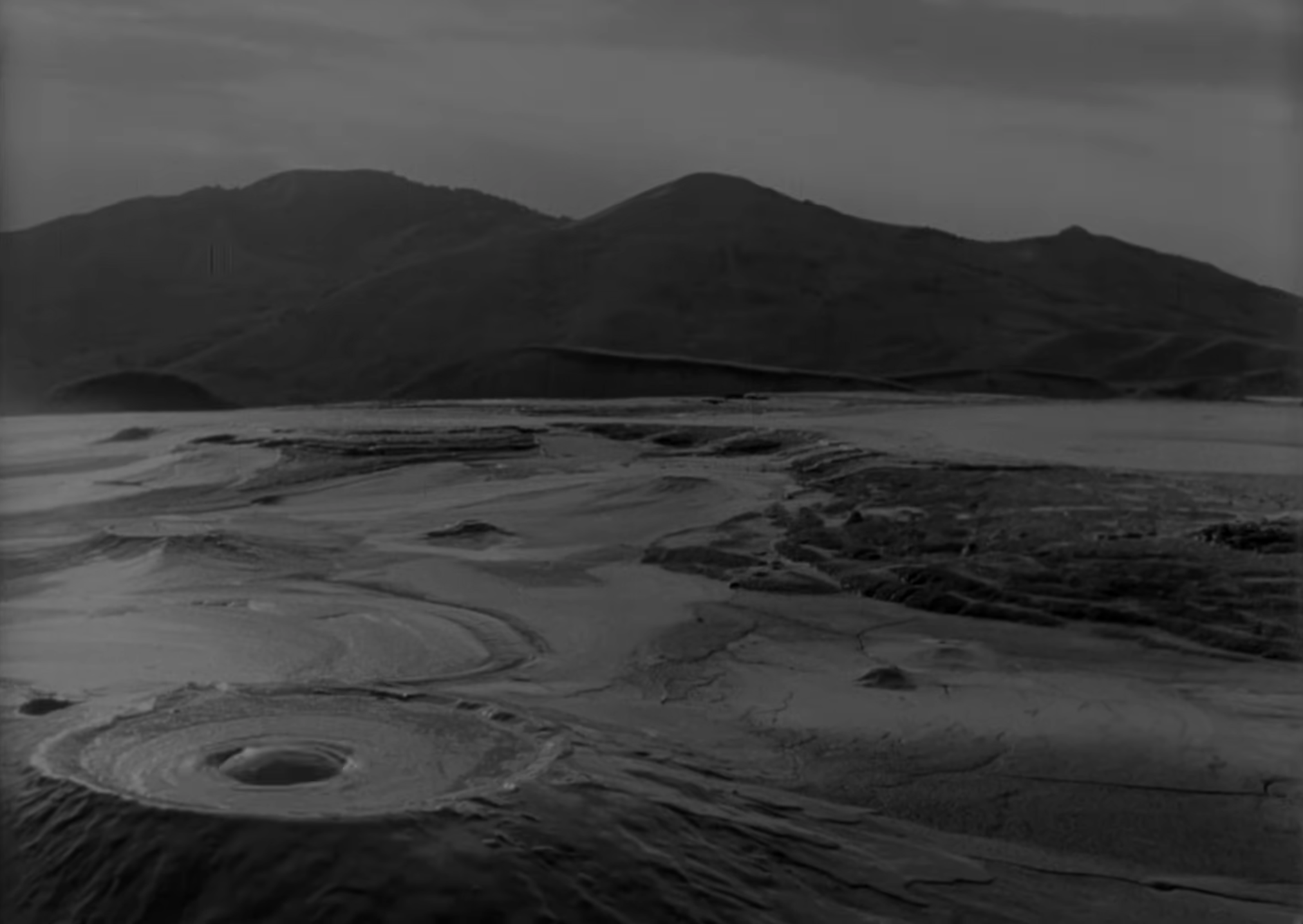
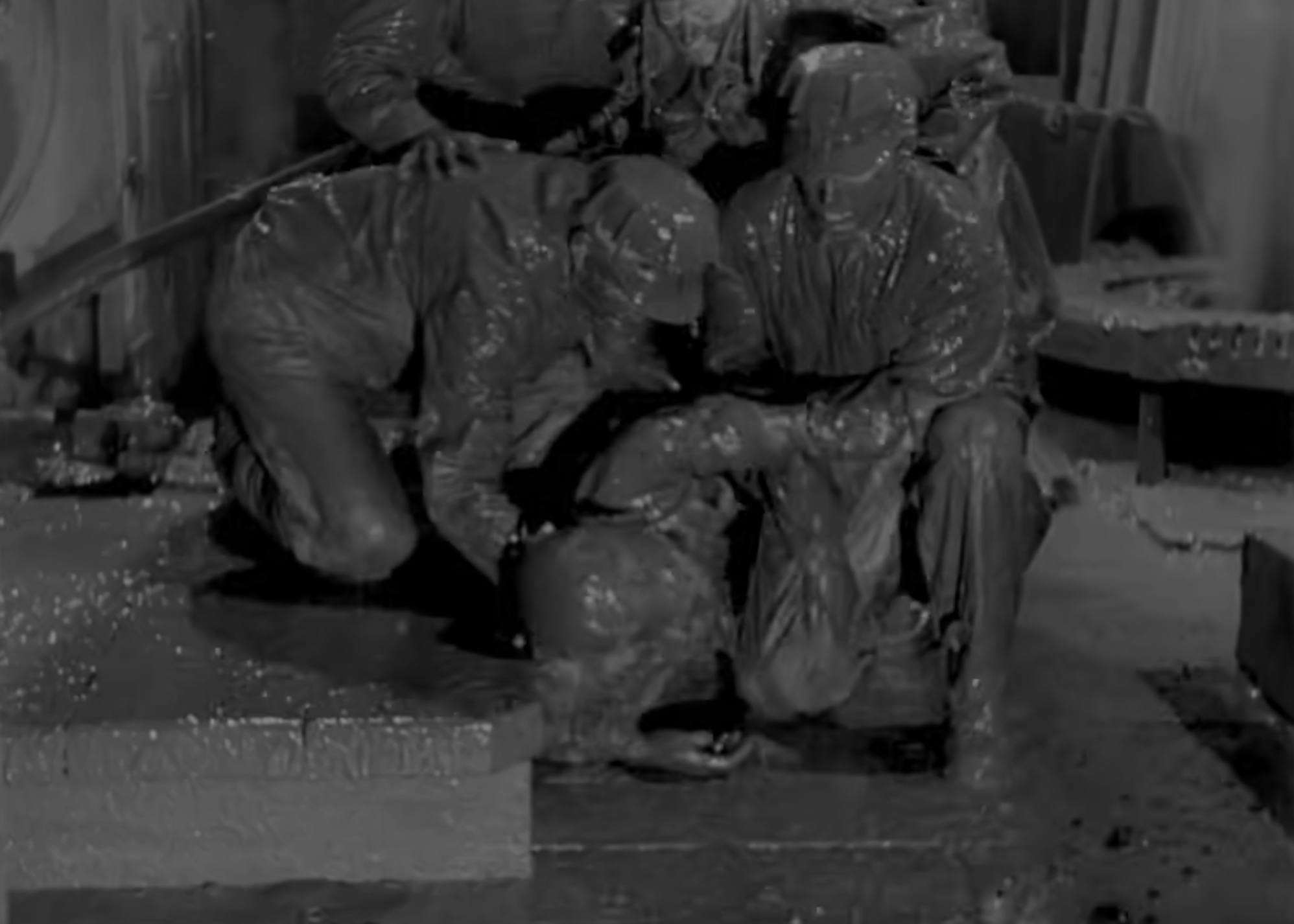
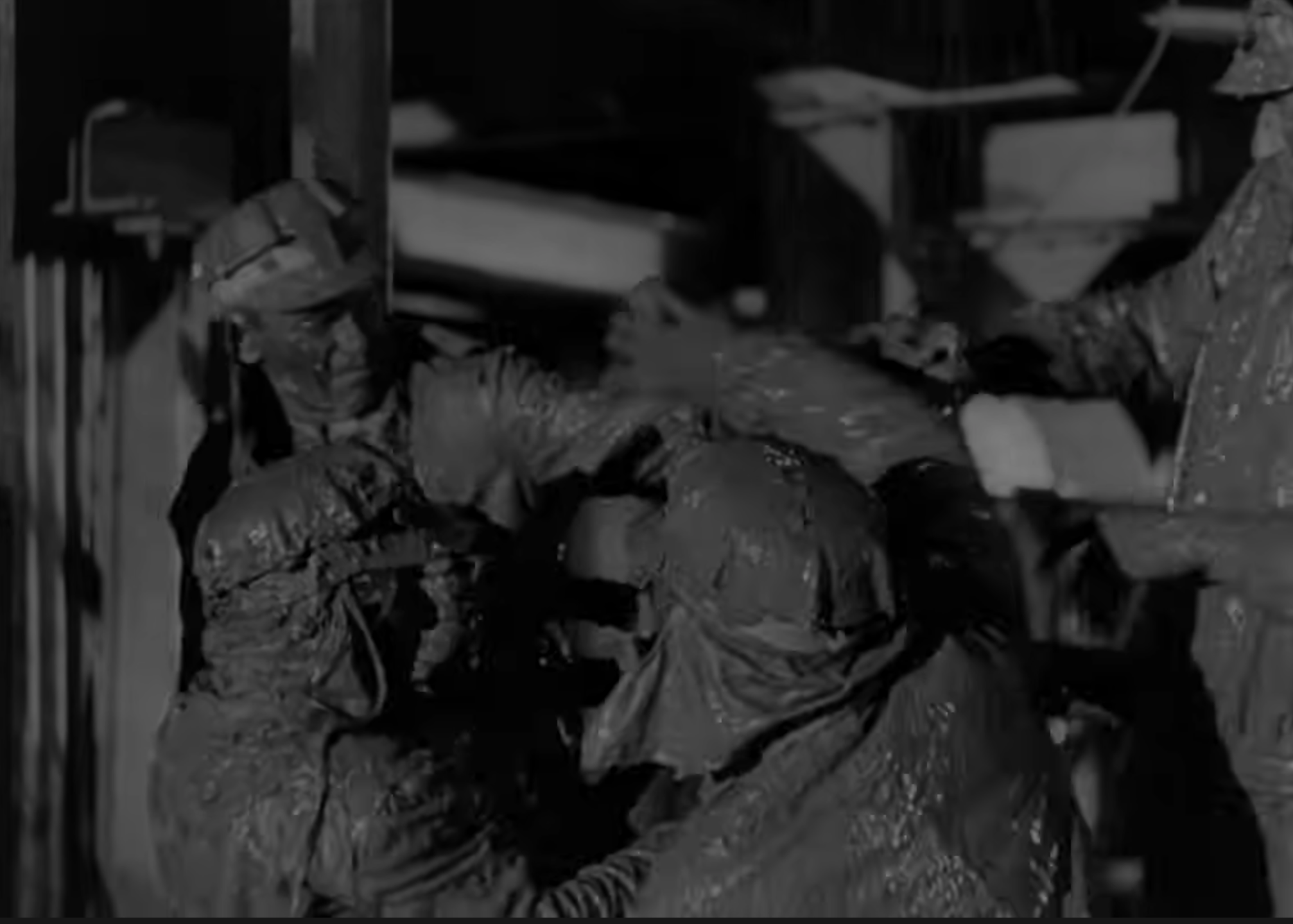
The mud volcanoes of the Berca-Ojasca oil field constitute another background of the film; the erratic man-chase through the mud, the handshakes between characters juxtaposed with the gurgling of the mud volcano ‘mouths”. The oil that gushes from the derrick is indistinguishable from the previous mud fight scenes.
The characters are repeatedly covered in slime, visceral signs of the decline of local industry (and its collateral meta-damage: the existential anchor), in the end, only one well out of ten is preserved. In fact, Romania was already sucked dry by previous wars. Ursei was a dying city - "its blood was oil" as the protagonist Anca (Eva Christian) observes.
The protagonists seem buried in mud; they breathe mud, they are mud-entities that contort in pain, they dehydrate like the Trisolarians in The Three-Body Problem (Liu Cixin 2008), from the disappearance of meaning and stability.
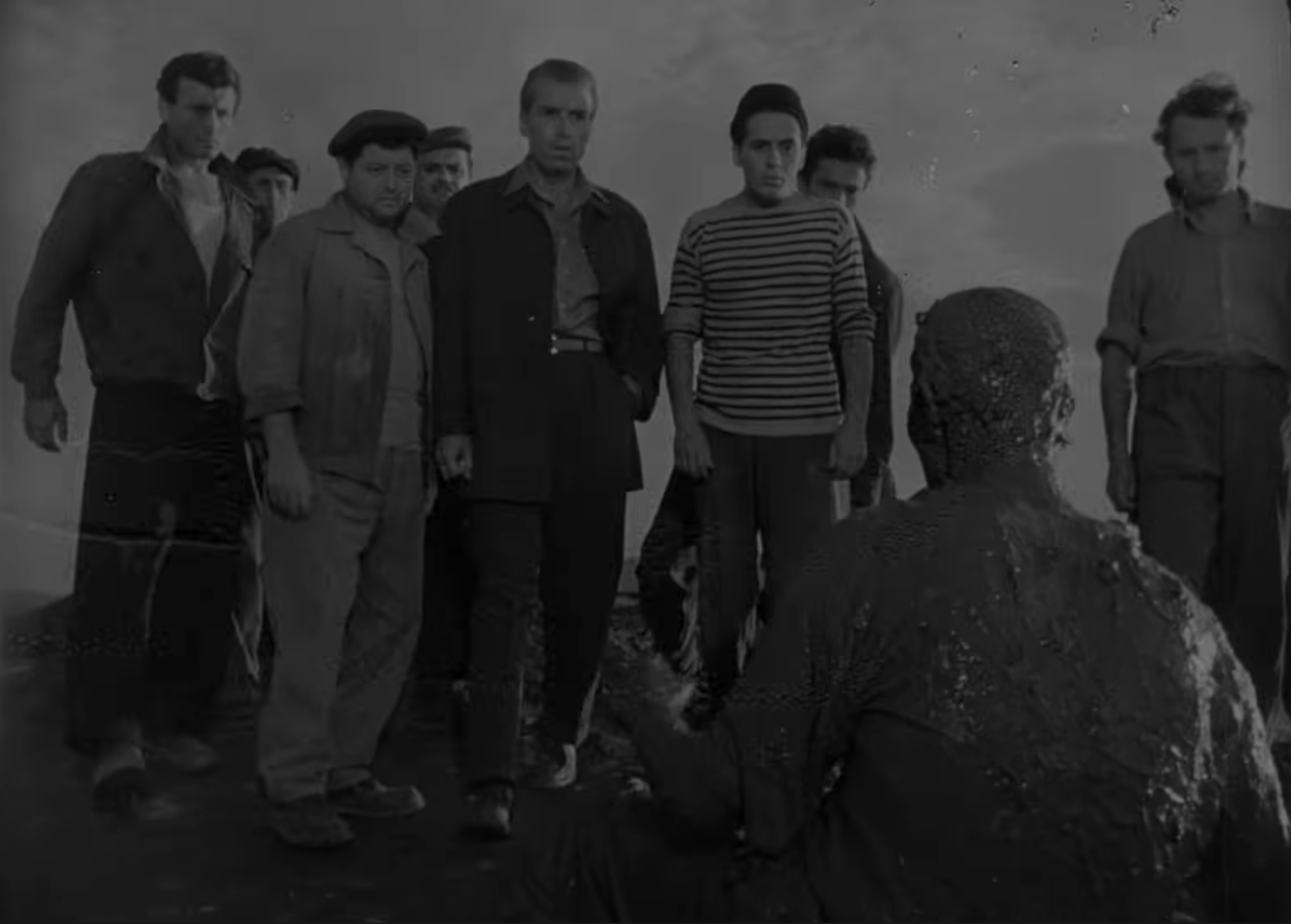
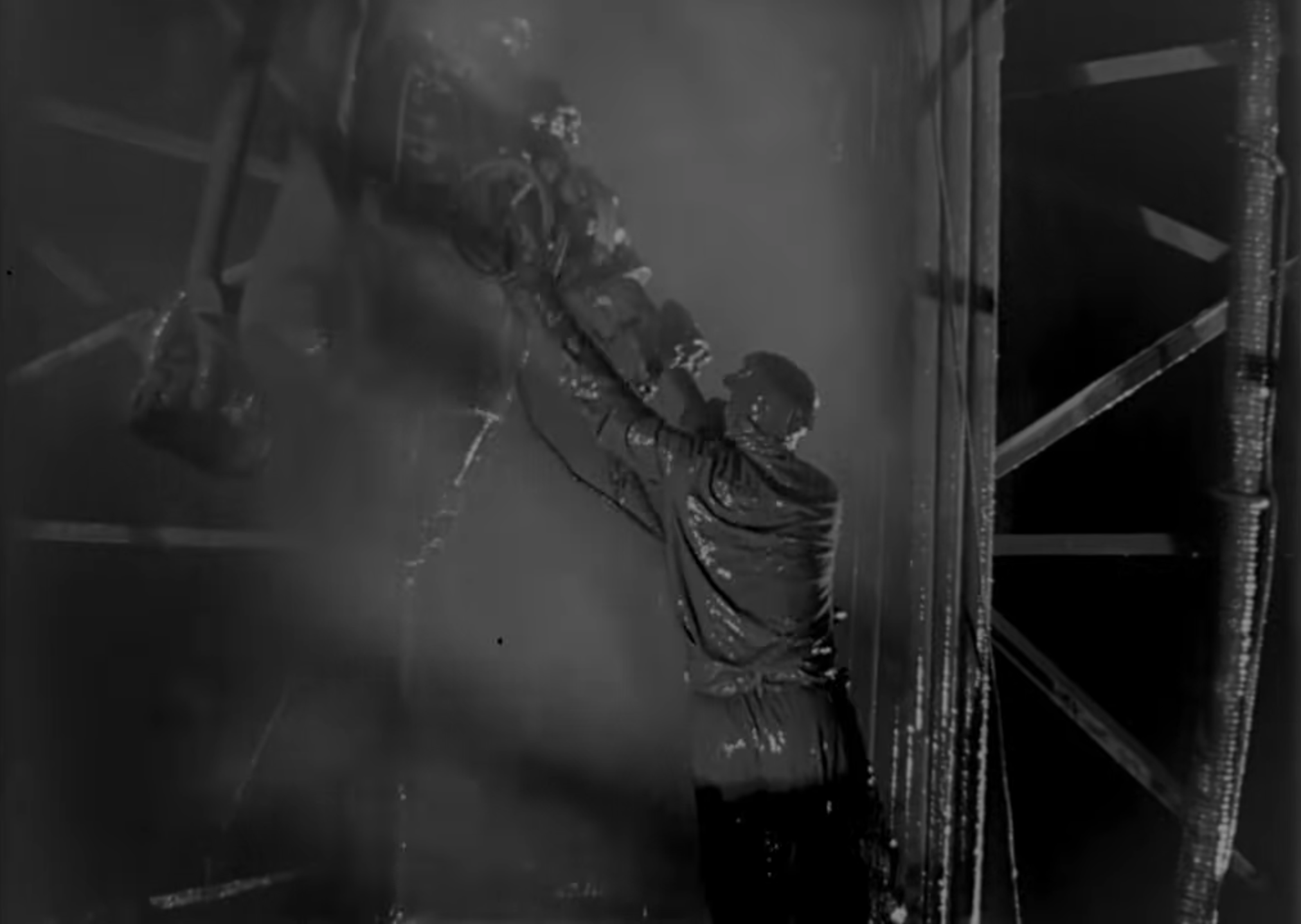
The film's last eruption scene itself is a spectacular life-threatening ejaculation, revealing a kind of pressure-release mechanism in the film's dramaturgy, analogous to There Will Be Blood (2007), when the well finally explodes (and delivers oil) while the oilman's adopted son is deafened by the explosion. Likewise, here the workers are covered and soaked in crude oil, as if the mud fights are a prelude to the generic viscosity that will engulf the entire Anthropocene. Becoming a non-correlational sediment of the planet.