
Shitzistence
Textul meu pornește de la o poveste reală care s-a întâmplat în București.
Undeva într-una din zonele selecte ale acestui oraș, mai precis în zona Dorobanți, un fost coleg de facultate locuia împreună cu părinții într-o casă „pe pământ”. Celor care nu sunt familiarizați cu această expresie hai să le zic cum stă treaba, și cam cât de privilegiat ești locuind într-o casă „pe pământ” într-un oraș precum București. Păi în primul rând ai cu siguranță o curte, apoi, în orașul bine scuturat de cutremure care este Bucureștiul, te simți (oricât de stupid și sarcastic și ironic poate să sune asta) un pic mai sigur și având cu cel puțin 10% mai multe șanse de supraviețuire într-o casă „pe pământ” comparabil cu locuirea într-un bloc cu oricâte etaje și dânsul, la fel ca mai sus menționatul imobil, deținând un CV care sigur are notat în el cutremurul din ‘77.
Bun. Revenind la povestea noastră, coleguțul meu privilegiat de soartă locuia împreună cu părinții în buricul târgului. Toate bune și frumoase până când au început să simtă un miros odios în casă. Apoi au început să remarce apariția unor infiltrații în pereții încăperilor. Și alea ciudate și alea cu un miros ușor pestilențial. Galeș și lent, orășeanul nu se panichează și să dărâme casa dacă apare un mic impediment precum o pată pe perete. Lipește un scotch, dă o spoială, leagă problema cu o sârmă, improvizează, și dacă merge așa, ei bine, merge. Personajele poveștii mele au acționat „ca la carte” aplicând progresiv soluții care au evoluat în complexitate pe măsură ce precedentele își dovedeau ineficiența. Au pornit de la simpla spălare a peretelui, au avansat la râcâit zugrăveala, dat o mână de vopsea nouă, râcâit tencuiala, pus alta nouă, gletuit și zugrăvit din nou, decopertat până la cărămidă, tencuit gletuit zugrăvit și toate acestea fără niciun rezultat notabil. Apoi s-a remarcat că și dușumeaua e cumva afectată. Din acest punct lucrurile au luat-o razna, iar căsuța tihnită a fost transformată într-un sit arheologic alternativ plin de neliniști și frustrari peste care plutea netulburată miasma tot mai infectă.
Nu știu cât știți despre felul în care erau construite casele „comune” în București la începutul lui 1900 și chiar mai devreme. Fundația, temelia, baza unei case este ceva destul de important pentru trăinicia acesteia. Ei bine, în bunul stil jemanfișit, majoritatea caselor vechi din București au o fundație făcută de mântuială, iar căsuța noastră din poveste era fix la fel. Așadar, când oamenii, în disperarea lor provocată de mirosul oribil, au început să scoată dușumele și să aprofundeze problema săpând pe lângă zidurile care trăgeau precum puțul de extragere al petrolului acea substanță odioasă, au descoperit că da, fundația lor era una plăpândă rău. Apoi au descoperit consecințele unei fundații nesolide: viața lor, în căsuța lor, se petrecea nu pe una, nici pe două, ci pe mai multe gropi de căcat care tradau existența și a unor bude care probabil că precedaseră construcția efectivă a casei. Deci nu una, două, trei gropi de căcat, ci (sper că nu îmi joacă feste memoria) undeva la peste șase, probabil opt-nouă. Nu îmi pot scoate din minte imaginea acelei bude care trebuie că a fost plimbată de colo-colo prin curte precum o piesă pe tabla de șah.
Am venit în București acum treizeci de ani. Nu am fost niciodată de acord cu oamenii care îi vedeau pe bucureșteni ca pe acei mitici, plini de ei, aroganți și atotștiutori, epatanți și flexați, dar de fapt goluți și superficiali precum greierele din fabulă. Și în general mă scot din sărite aceste ștampile regionale puse pe frunțile oamenilor. Sau oricare alte criterii de selecție (mai puțin ăla cu om bun, om rău).
Da, orașul ăsta m-a lovit la temelie. Această mare cetate care în imaginarul colectiv este adesea asociată cu progresul, civilizația și ordinea îmi arăta/ne arăta cu atâta dezinvoltură decolteul adânc al disoluției, al mizeriei și alienării în care workinprogress-ul capitalismului galopant construia alandala peste o infrastructură fizică și morală aflată în plină degradare. În acest context, povestea cu care am început, această alegorie a unui oraș construit pe gropi pline de căcat, nu este doar o hiperbolă grotescă, ci o reflecție dură asupra unei societăți care a eșuat în menținerea valorilor fundamentale ale conviețuirii umane. Iată un punct de plecare pentru o analiză critică a vieții într-un mediu urban corupt în esența sa. Sau, mai pe scurt și mai haios, o pendulare între căcat și metafizică.
Schimb limbajul și îmi scot elvețianul cu multiple tăișuri ale argumentelor.
Trăirea într-un mare oraș oferă individului avantajul anonimatului. Pentru că, na, oameni suntem, lipsa apartenenței la o comunitate alienează și în unii încurajează dezvoltarea unor comportamente aflate ușor în afara normei sociale. În acest context, orașul devine un spațiu al disfuncționalității sistemice* și, alegoric adăugând mai sus menționata ipostază, căcatul devine simbolul reziduurilor unei societăți care nu mai este capabilă să gestioneze consecințele propriilor acțiuni. Continuând această linie de gândire, nu pot decât să mă uimesc și mai mult contemplând imaginea acestei cetăți construite pe gropi pline de căcat. Ele reflectă nu doar degradarea fizică a spațiului urban, ci și putrefacția morală a instituțiilor și indivizilor. Faptul că orașul este construit direct pe aceste gropi indică o normalizare a anormalului: locuitorii acceptă (chiar dacă inconștient) ca viața lor să se desfășoare pe o fundație a murdăriei, minciunii și corupției.
Vă place? Urmăriți-mă, continui să dezvolt ideea și deși poate suna ca o diatribă ușor halucinantă, este mult prea bine servită ca să nu o duc până la capăt.
Faza tare e că dacă am limita consecințele existenței noastre pe muntele de căcat doar la cele mai sus menționate, ar fi bine-ish. Dar ziceam mai devreme de anonimat și avantajul anonimatului în marele oraș. Plusvaloarea adaugată de speța noastră transformă cotidianul vieții din marea cetate în furnizor de efecte psihologice profunde: apatie, anxietate, resemnare. Lipsa de reacție în fața degradării generalizate reflectă un fenomen de adaptare patologică. Zbang! Iată cum aterizăm în normalizarea devianței**. Locuitorii devin treptat insensibili la miros, la mizerie, la injustiție și trăiesc bine-mersi într-un prezent diluat, în care speranța nu mai există decât ca iluzie. Superb!
Celor care locuiesc în București nu are cum să nu le sară în ochi faptul că, până la ultimul primar, niciunul, dar absolut niciunul, nu a avut curajul să sape gropi adânci în orașul ăsta, să scoată rămășițele unor infrastructuri construite cu țevi și alte alea uitate în adâncuri, literalmente topite în procesul de erodare. Nu-i așa că unde e căcat e și corupție? Care corupt ar fi atât de cretin să sape o groapă și să arate lumii căcatul pe care și-a construit gloria? Doamne ferește!
Iată cum povestea mea poate fi interpretată chiar și în cheie politică. Gropile de căcat acoperite alandala și trăirea pe ele, „ascunsul” în uitarea colectivă a existenței lor este teribilă. Mai devreme sau mai târziu ele își scoate degetele soioase și ne vor strânge de gât. Aceste hăuri pestilențiale nu sunt altceva decat rezultatul unor decizii greșite, al indiferenței administrative și al corupției instituționalizate. Astfel, orașul nu este doar construit pe aceste gropi, ci întreținut de ele. Ele sunt infrastructura invizibilă, dar esențială perpetuării unei stări de fapt în care interesele private domină binele public.
Las la urmă un aspect care îmi este foarte drag și care m-a ajutat să cad la pace cu Bucureștiul. Am suferit enorm și m-am adaptat cu greu la viața în acest oraș. Acum e al meu, e acasă, deși toată viața mea voi tânji după muntele albastru și acel loc unde, în visul meu recurent, începe sfârșitul lumii. Datorită Bucureștiului am înțeles cam care e faza cu „estetica urâtului”, despre care vorbește atât de frumos Umberto Eco. Și asta nu este puțin lucru. Să transformi trăirea într-un oraș pe care îl iubești-detești într-o lecție continuă unde (printre altele) dezvolți abilități neștiute cum ar fi descoperirea frumosului în urât. Nu sună a compromis de căcat asta, eu una nu am luat-o ca pe o punere la zid a frumosului, transformând viziunea mea într-un scenariu pesimist unde oamenii învață să supraviețuiască într-un mediu în care urâtul nu mai este excepția, ci regula, și în care frumosul devine suspect, marginal sau chiar periculos. Doar că am învățat să văd frumosul în ceea ce este catalogat conform normelor sociale ca fiind urât. Și viceversa: am amendat de fiecare dată hidosul în frumosul aprobat oficial. Total de acord cu d-na Susan Sontag: urâtul are o forță etică care surclasează ipocrizia de multe ori ascunsă sub ambalajul frumosului atunci când vorbim de o atitudine critică***.
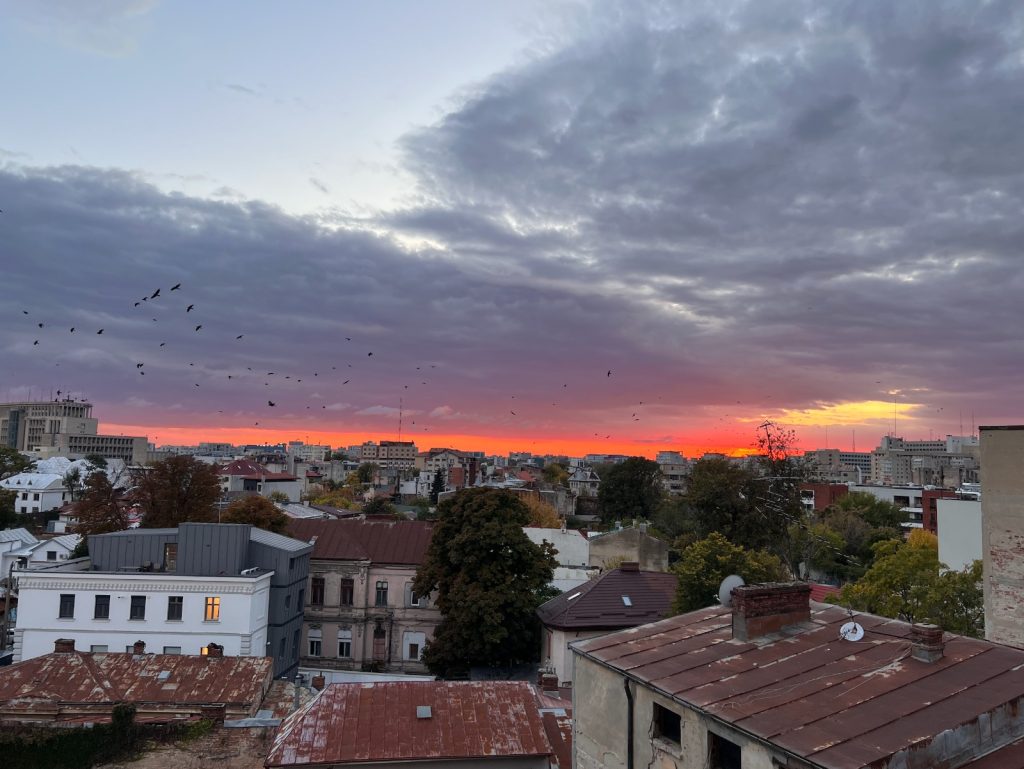
Oare putem schimba acest oraș? Eu nu cred că se poate schimba și după atâția ani trăiți în el nici nu știu dacă îmi mai doresc asta. Bucureștiul este o bombă, iar componentele ei conțin, printre multe altele, acest munte de căcat pitulat pervers în gropi acoperite superficial, care penetrează spre exterior layerele unui oraș construit pe multă indiferență. Ceea ce este chiar poetic la urma urmei. Avem oare cum să schimbăm așa ceva? Pot să vă zic că „citind orașul”, adică zidurile lui care poartă multe inscripții, cu siguranță ați văzut obsesivul îndemn scris caligrafic „Privește cerul”. Ar putea fi și ăsta un început pentru orice fel de schimbare.
—–
* „Societățile pot ajunge să internalizeze eșecul sistemic atunci când guvernanța eșuează constant, iar cetățenii nu mai așteaptă îmbunătățiri structurale” (B. Rothstein, J. Teorell, What Is Quality of Government?, 2008).
** „Când devianța este repetitivă și nesancționată, ea devine noua normă – nu doar legal, ci psihologic” (D. Vaughan, The Challenger Launch Decision: Risky Technology, Culture, and Deviance at NASA, 1996).
***„Estetica urâtului servește deseori ca o formă de critică socială, dezvăluind disfuncționalități pe care frumosul tinde să le ascundă” (S. Sontag, On Photography, 1977).
Shitzistence
My story starts from a real event that took place in Bucharest.
Somewhere in one of the more upscale areas of the city, specifically in the Dorobanți neighborhood, a former university colleague of mine lived with his parents in a house “on the ground.” For those unfamiliar with this expression, let me explain what it means and just how privileged you are to live in a house “on the ground” in a city like Bucharest. First of all, it almost certainly means you have a yard. Then, considering Bucharest is a city well-acquainted with earthquakes, you actually feel (as stupid, sarcastic, or ironic as it may sound) a bit safer and with at least 10% more chances of survival living in a “house on the ground” compared to an apartment in a multi-story building, especially one with a résumé that almost certainly includes the 1977 quake.
Alright. Back to our story. So, this fortunate fellow, blessed by fate, was living with his parents right in the heart of the city. All was well and good until they started to notice a vile smell in the house. Then they began to see stains appearing on the walls, odd ones, and with a faint, pestilent odor. Being true urbanites, they didn’t panic or knock the house down at the first sign of trouble, like a suspicious stain. No, they patched it up with tape, gave it a fresh coat of paint, fixed it with some wire, improvised and if it worked, well then, it worked. The characters in my story followed the “standard procedure,” progressively applying more complex solutions as the earlier ones proved ineffective. They started by simply washing the wall, moved on to scraping off the paint, applying a fresh coat, then removing the plaster, adding new plaster, skimming and repainting again, stripping down to the bricks, replastering, skimming, repainting, all of this with no real result. Then they noticed the flooring was also affected. From that point on, things spiraled. Their quiet little home turned into an alternative archaeological dig, filled with anxieties and frustrations, over which hovered, undisturbed, the ever-worsening stench.
I don’t know how much you know about the way “common” houses were built in Bucharest in the early 1900s or even earlier. The foundation, the base of a house, is pretty important when it comes to how long that house will stand. Well, in a typical slapdash fashion, most of the old houses in Bucharest were built with pretty sloppy foundations. And the little house in our story was exactly like that. So, when the people, driven mad by the awful smell, started tearing up the floorboards and digging around the walls that were absorbing that vile substance like an oil extraction well, they discovered that yes, their foundation was flimsy as hell. Then came the consequences of such a shaky base: they realized their life, in that lovely little house, was unfolding not over one, not two, but over several cesspools, evidence of outhouses that probably predated the construction of the house itself. So not just one or two or three septic pits, but (if my memory isn’t playing tricks on me) more than six, probably eight or nine. I can’t get the image out of my head of that outhouse being moved around the yard like a piece on a chessboard.
I came to Bucharest thirty years ago. I’ve never agreed with the people who look down on Bucharesters as those “mitici” full of themselves, arrogant, know-it-alls, flashy and flexing, but actually hollow and shallow like the cricket in the fable. And in general, regional labels like that slapped on people’s foreheads really get on my nerves. Or any other criteria of judgment, really, except maybe the one that separates good people from bad people.
Yes, this city hit me right at the foundation. This great metropolis, so often associated in the collective imagination with progress, civilization, and order, was shamelessly revealing to me/us the deep cleavage of its decay, of filth and alienation, where the work-in-progress of rampant capitalism was being thrown together haphazardly on top of a crumbling physical and moral infrastructure. In this context, the story I began with, this allegory of a city built over pits full of shit, is not just a grotesque hyperbole, but a stark reflection of a society that has failed to uphold the fundamental values of human coexistence. Here lies a starting point for a critical analysis of life in an urban environment corrupt at its core. Or, to put it more simply and with a touch of humor, a swing between crap and metaphysics.
I’m switching gears now and bringing out my inner Swiss army knife with all the sharp edges of argument.
Living in a big city offers the individual the advantage of anonymity. But since we are, after all, human beings, the absence of belonging to a community leads to alienation and, in some cases, encourages the development of behaviors that slip outside social norms. In this context, the city becomes a space of systemic dysfunction and, allegorically, tying back to the image mentioned earlier, shit becomes the symbol of a society’s waste, of its inability to manage the consequences of its own actions. Continuing down this line of thought, I can’t help but be even more stunned as I contemplate the image of a city built on pits full of shit. These aren’t just signs of physical urban decay, they reflect the moral rot of both institutions and individuals. The fact that the city is built directly atop these pits signals the normalization of the abnormal: its inhabitants accept (albeit unconsciously) that their lives unfold on a foundation of filth, lies, and corruption.
Like it so far? Follow me, I’m going to keep unpacking the idea. And even if it may sound like a slightly hallucinatory diatribe, it’s far too well-served not to see it through.
Here’s the kicker: if the consequences of our existence atop this mountain of crap were limited to the ones mentioned earlier, it’d be kind of okay. But remember what I said about anonymity and the supposed advantage of being anonymous in a big city? The added value, in our case, is that daily life in the metropolis becomes a generator of deep psychological effects: apathy, anxiety, resignation. The lack of reaction in the face of widespread decay reflects a phenomenon of pathological adaptation. Boom! Just like that, we land squarely in the realm of the normalization of deviance. People gradually become desensitized to the smell, the filth, the injustice and live their lives just fine in a watered-down present where hope exists only as an illusion. Beautiful!
Anyone living in Bucharest can’t help but notice that, up until the current one, not a single mayor, absolutely none, has had the courage to dig deep holes in this city. To unearth the remains of long-forgotten infrastructures, pipes and whatnot buried deep below, literally melted away in the process of erosion. Isn’t it true that where there’s shit, there’s corruption too? And really, what kind of corrupt official would be dumb enough to dig a hole and reveal to the world the pile of shit upon which their glory was built? God forbid!
So, you see, my story can even be read through a political lens. These randomly covered cesspools and the fact that people go on living over them, their existence buried in collective amnesia, that’s terrifying. Sooner or later, they’ll poke their greasy fingers out and choke us. These pestilent pits are nothing but the result of bad decisions, administrative neglect, and institutionalized corruption. Thus, the city is not only built on these holes, it’s maintained by them. They are the invisible, yet essential, infrastructure that sustains a status quo where private interests override the public good.
I’ve saved for last an aspect that’s very dear to me, something that helped me make peace with Bucharest.
I suffered deeply and adapted with great difficulty to life in this city. Now it’s mine. It’s home, even though I’ll spend my whole life yearning for the blue mountain and that place where, in my recurring dream, the end of the world begins. Thanks to Bucharest, I came to understand what’s really behind the idea of the “aesthetics of ugliness,” so beautifully explored by Umberto Eco. And that’s no small thing, to turn your experience of a city you both love and hate into an ongoing lesson where, among other things, you develop unexpected skills like learning how to discover beauty within ugliness. Doesn’t that sound like some kind of shitty compromise? To me, it never felt like a betrayal of beauty, never like surrendering to a pessimistic vision where people merely learn to survive in a place where ugliness is no longer the exception, but the rule, and where beauty becomes suspicious, marginalized, or even dangerous. It was simply that I learned to see beauty in what is socially labeled as ugly. And vice versa: I’ve called out the grotesque hidden in what’s been officially approved as beautiful. I completely agree with Susan Sontag — ugliness has an ethical force that often outshines the hypocrisy hidden beneath the polished packaging of beauty, especially when we’re talking about a critical stance.
Can we change this city? I don’t think it can be changed — and after so many years living in it, I’m not even sure I want that anymore. Bucharest is a bomb, and its components include, among many other things, this mountain of shit perversely tucked away in shallowly covered pits, leaking upward through the layers of a city built on apathy. Which, in the end, is kind of poetic. Can something like that ever be changed? All I can tell you is this: if you’ve ever tried to “read the city”, its walls, covered in all kinds of inscriptions, you’ve surely seen the obsessively repeated, calligraphic message: “Look at the sky (Privește cerul).” Maybe that’s a place to start. For any kind of change.
* "Societies can come to internalize systemic failure when governance consistently fails, and citizens no longer expect structural improvements” (B. Rothstein, J. Teorell, What Is Quality of Government?, 2008).
** "When deviance is repetitive and goes unpunished, it becomes the new norm—not just legally, but psychologically as well” (D. Vaughan, The Challenger Launch Decision: Risky Technology, Culture, and Deviance at NASA, 1996).
*** "The aesthetics of ugliness often serves as a form of social critique, revealing dysfunctions that beauty tends to conceal” (S. Sontag, On Photography, 1977).