
Top 10 Worst Cruising Spots in Bucharest
Bucharest, not being particularly close to the seaside (between two and five hours by train, depending on one’s luck), is far from a good place for cruising. Few stray sailors ever wander into the capital, and they’re always on some administrative business or looking to get into politics, despite only one of them ever achieving success. The Dâmbovița River, neatly dividing the city in half, has great potential for urban sailing. Yet, the townsfolk have always regarded it as a nuisance and tucked its waters into bland concrete channels or even underground. “We hide the Dâmbovița the way an upstart hides his parents because they wear peasant clothes”, commented a journalist back in 1935 (Stahl 1935: 30). Why is Bucharest the only major European capital that shuns away its central river instead of embracing it and developing around it? Makes you wonder what else the city is trying to hide…
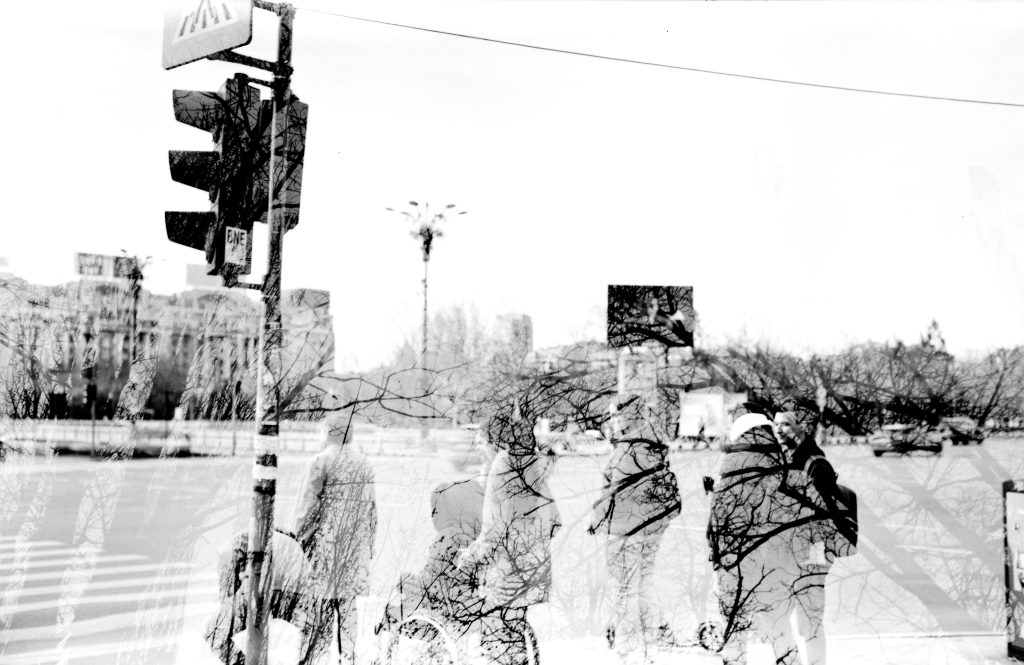
From experience, any attempt at cruising around the city centre is doomed to be unsuccessful from the start, so why struggle to find a welcoming, well-hidden spot when the worst ones are readily available and far more exciting? In this article, I shall attempt to present a nuanced view, with both pros and cons, of the worst almost-suitable cruising locations in town, for those of you avid of failed experiences and great disappointments. If you’re looking to have a bad time, you have come to the right place!
10. The North Railway Station
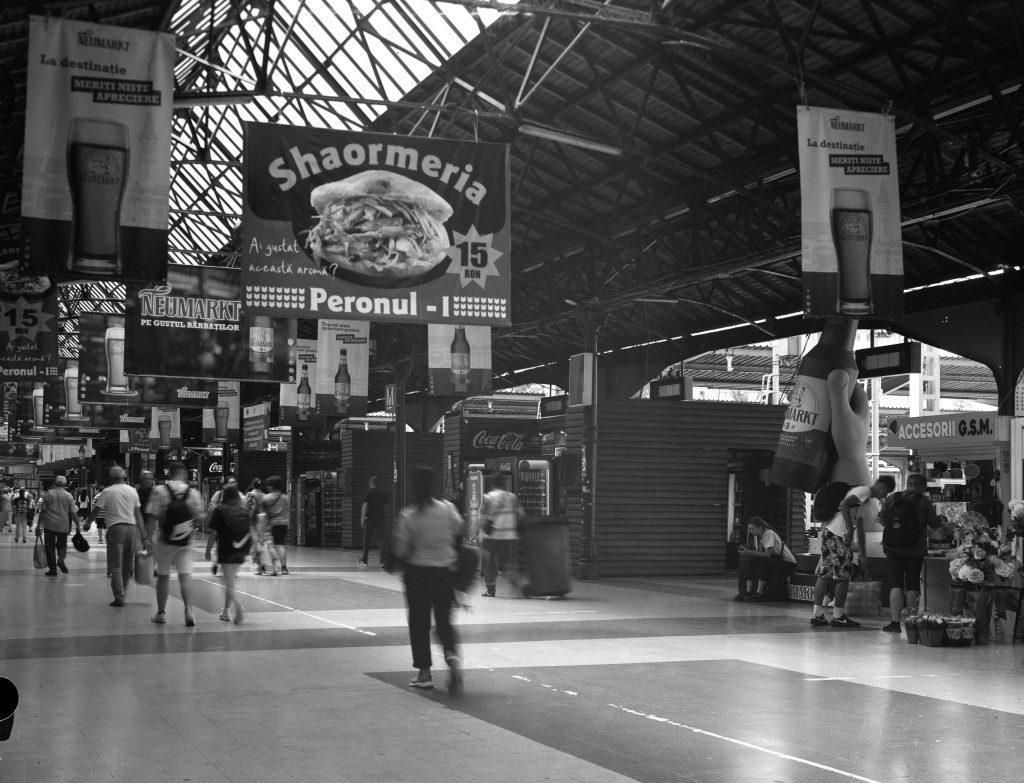
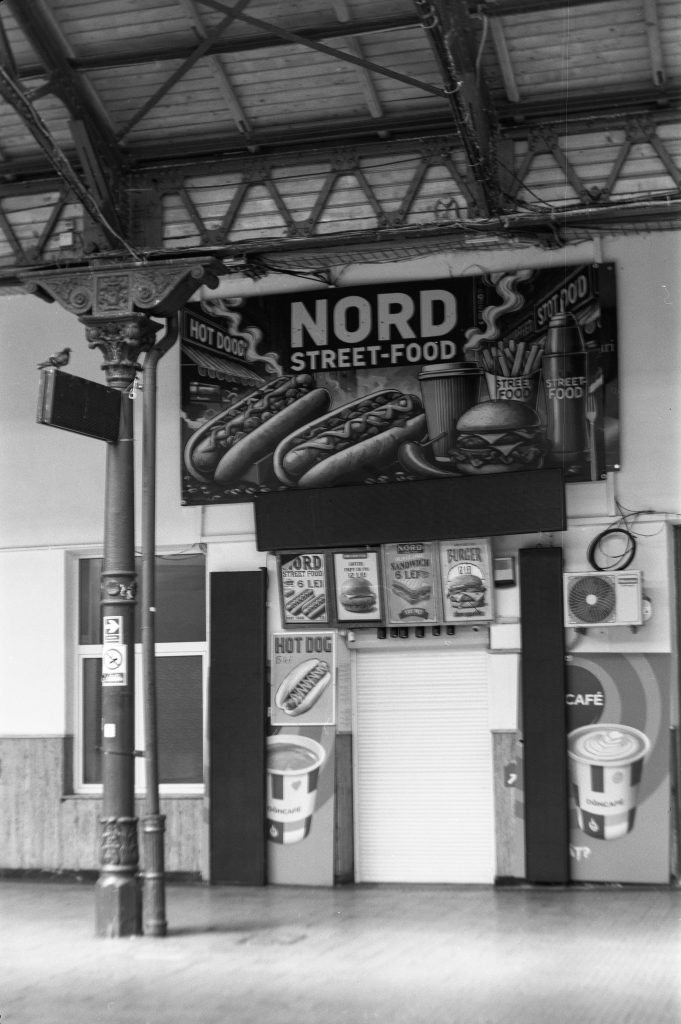
A classic, well-known spot, suffering from its fame and acknowledged success. The only officially active place on the list, there is plenty to see in terms of quantity and little in terms of quality. Advertisements will sell you everything under the sun, yet the area is never clean, and the food is bland at best. The environment is sure to trigger panic attacks or other adverse reactions in anyone with claustrophobia, agoraphobia, arachnophobia, musophobia, enochlophobia, siderodromophobia, hyperacusis, hypoacusis and photosensitive epilepsy. A not unsuitable introduction to the rest of the city.
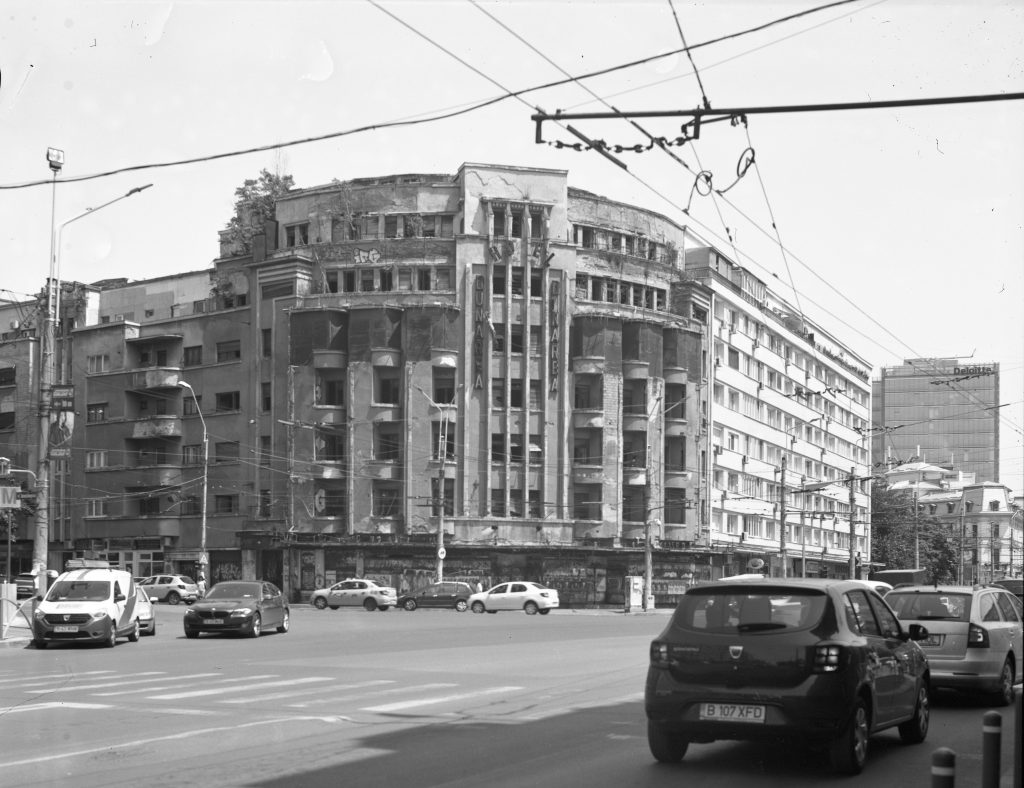
A place that used to be great in an area that used to be great, structurally unchanged from the time it was great about 100 years ago: an ageing actor reliving his past glory on loop, wearing the same costume from his best performance from decades ago, thinking of the great times so much he forgets to shower.
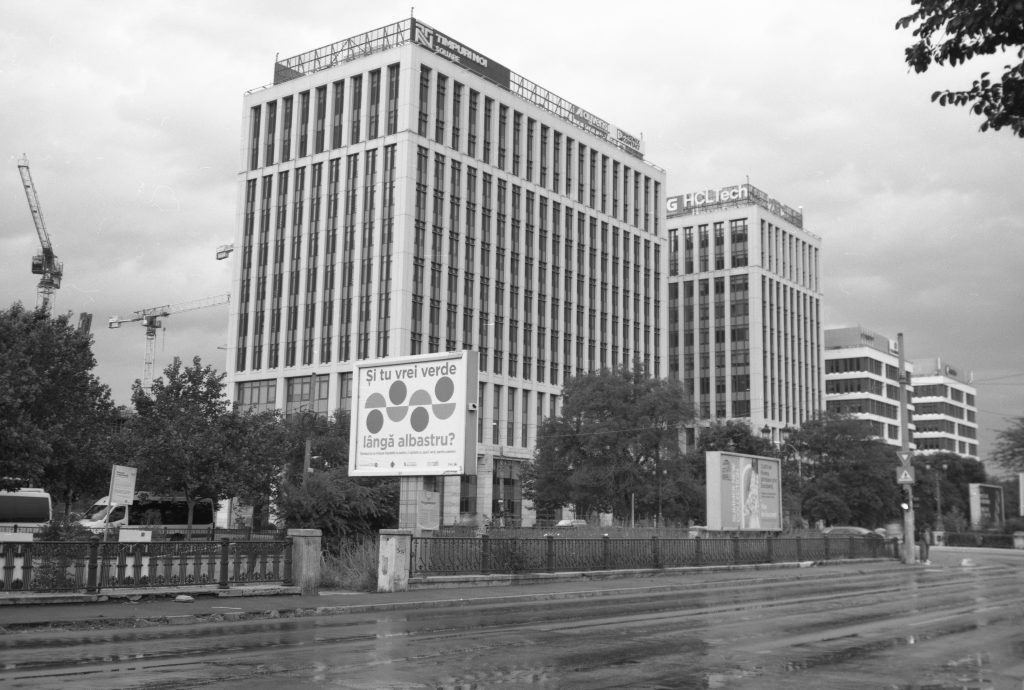
9. The Factories in the Timpuri Noi Area
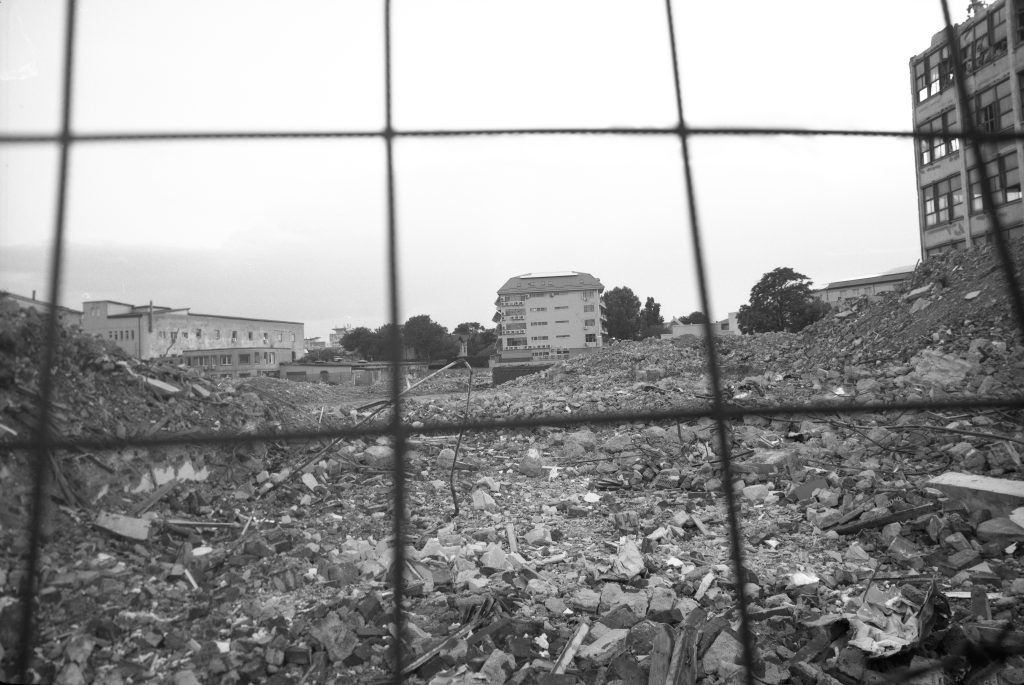
First of all, because they technically don’t exist anymore, having been replaced by corporation headquarters, residential buildings and rentals. However, this doesn’t stop the ghosts of factory workers from clocking in every day at 6 a.m. and shuffling among communications managers and data analysts. The area has not really been erased, but rather mutated to suit the needs of the booming IT era.
Timpuri Noi (Modern Times) deserves credit for its variety of dwellers – from suit-clad technology experts to dishevelled shoemakers and tanners, but has little to offer in terms of sights, refreshments (at least in the cheaper-than-a-day’s-wage category) and privacy. There is a pervasive feeling that the past, present and future are watching your every move and not everyone is into that.
8. The former garages all around the city
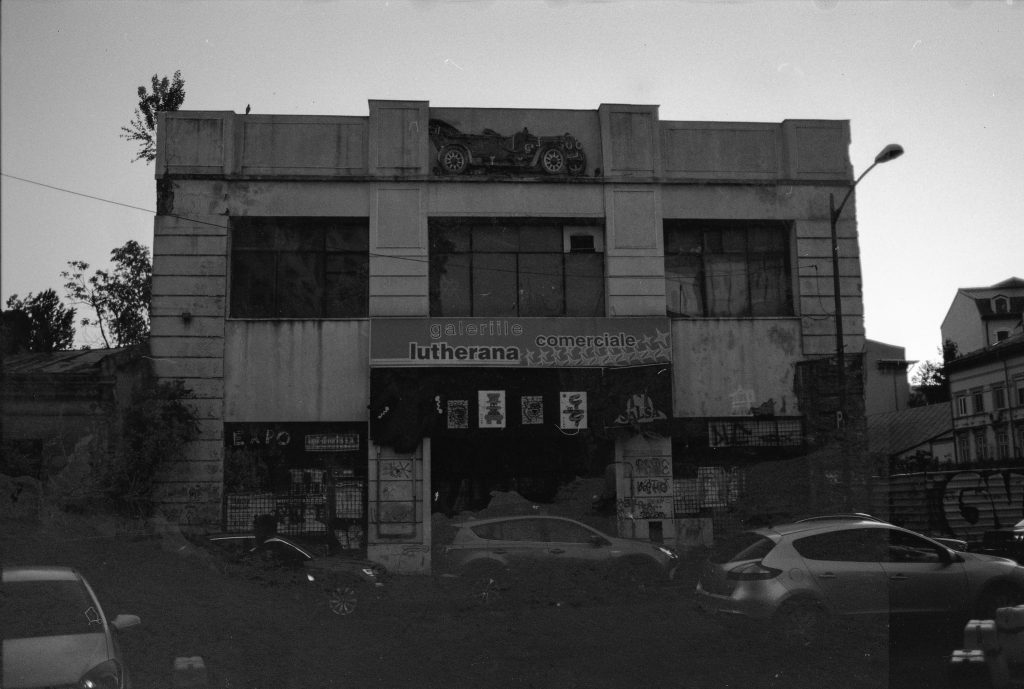
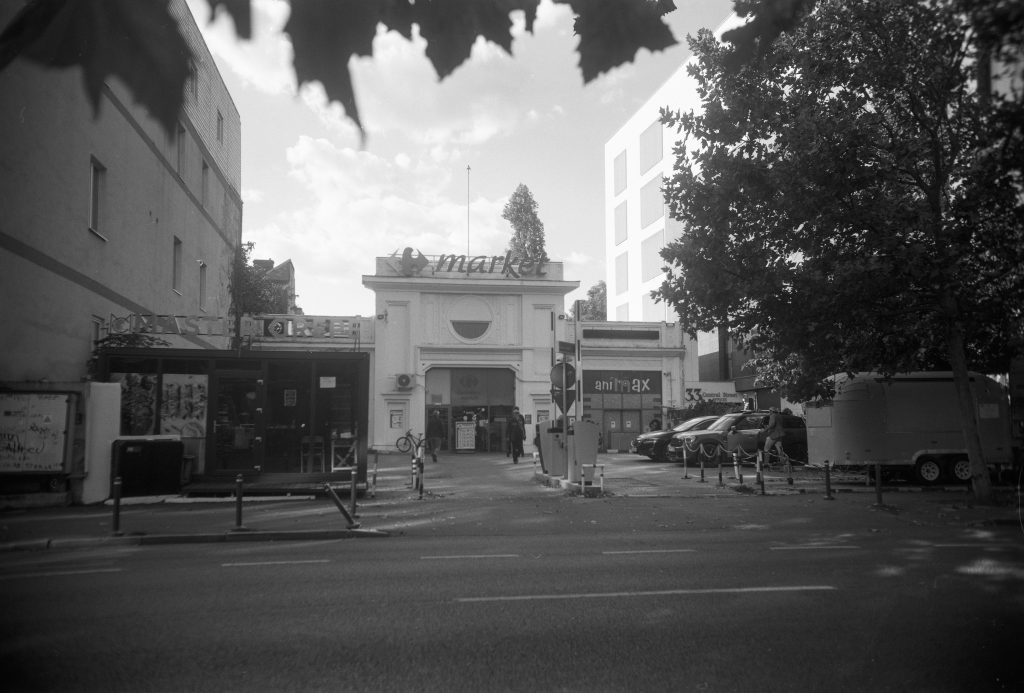
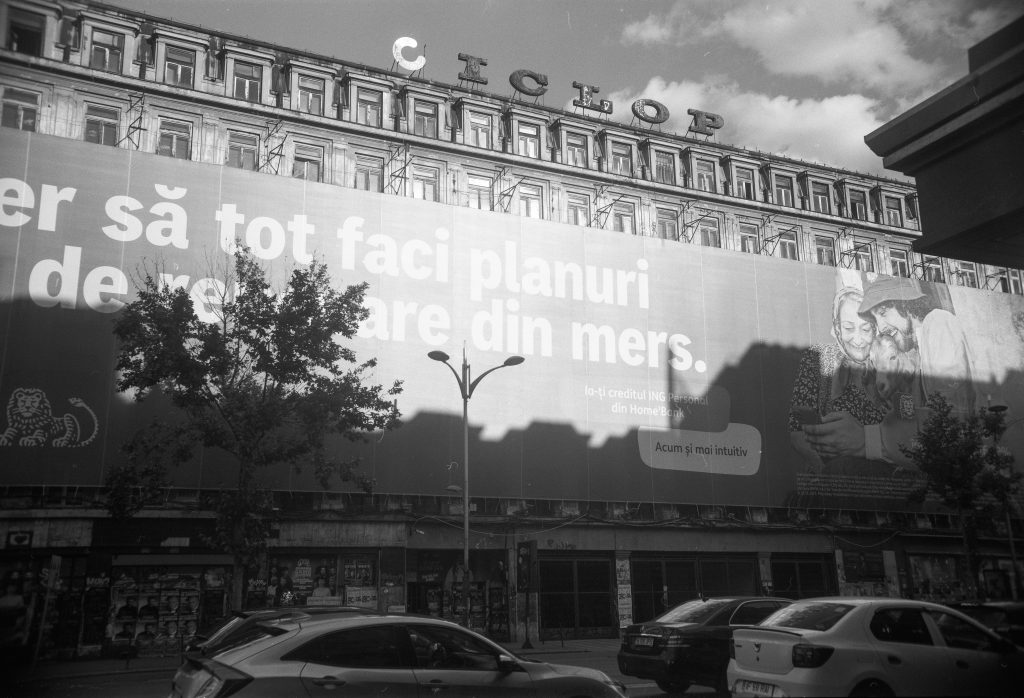
The perfect places for old automobile enthusiasts and nobody else. Testaments of the growth of the car industry in the city with the worst traffic in Europe, and with an ongoing parking spot crisis, none of them have been used for their intended purpose for at least some decades. The most prominent one, Ciclop (Cyclops), the first multi-story parking in Bucharest, has hosted everything from car and bike services to furniture showrooms, shops, restaurants, cafes, art and fashion exhibitions, to underground raves.
For a more intimate and homely atmosphere, the former Leonida&Co garages (belonging to the largest auto dealership of early 20th-century Romania) have mostly become squatting spots three bricks away from collapsing onto themselves, the partly-demolished garage on Luterană street being a prime example. You get an oasis of peace right in the middle of the city for the modest price of a roof tile falling on your head. The only risk-free option available is on Dorobanți Road, currently hosting a supermarket with entrances on both sides (😉) if you like thinking of cars when crossing grocery aisles.
7. The Belle Epoque Gloriettes Atop the United Nations Square
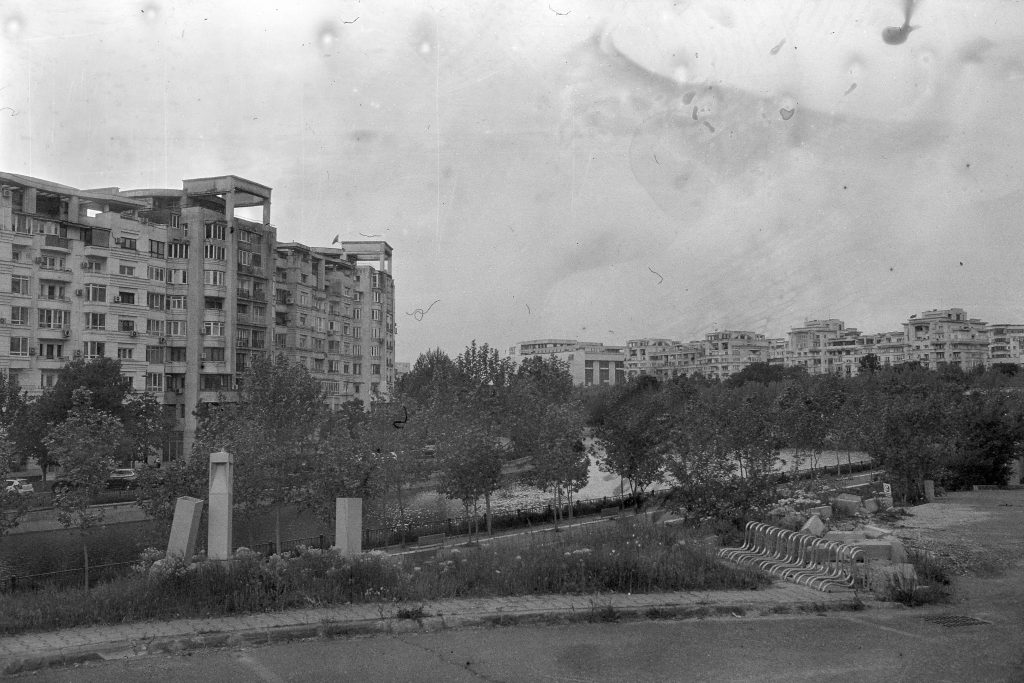
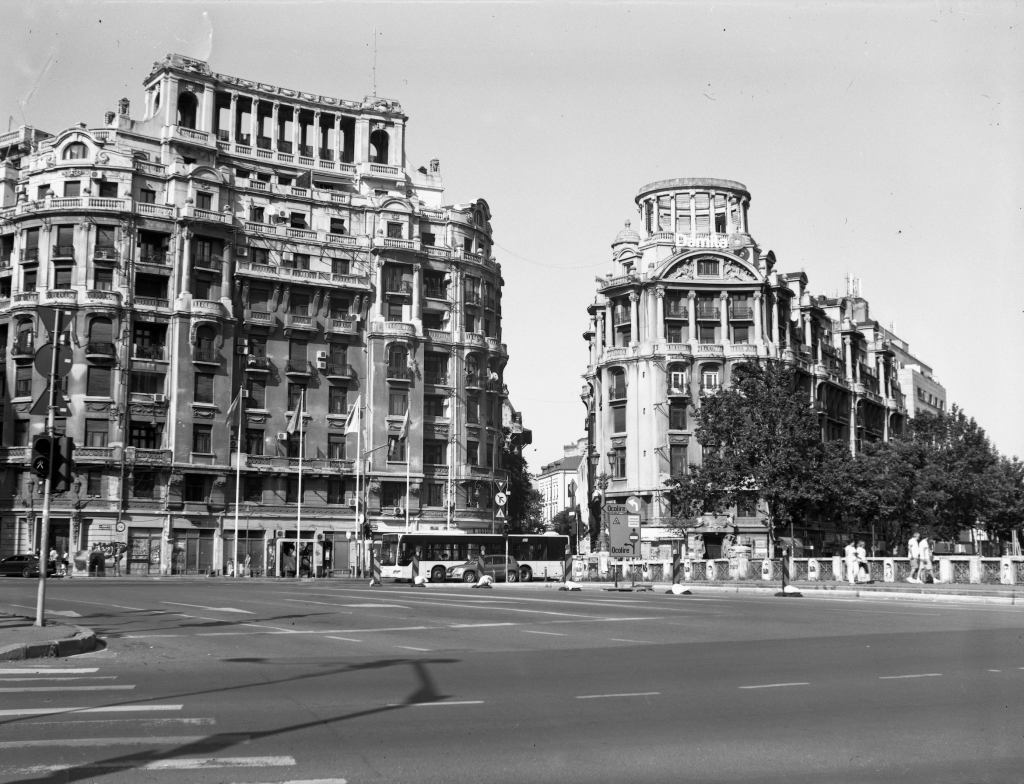
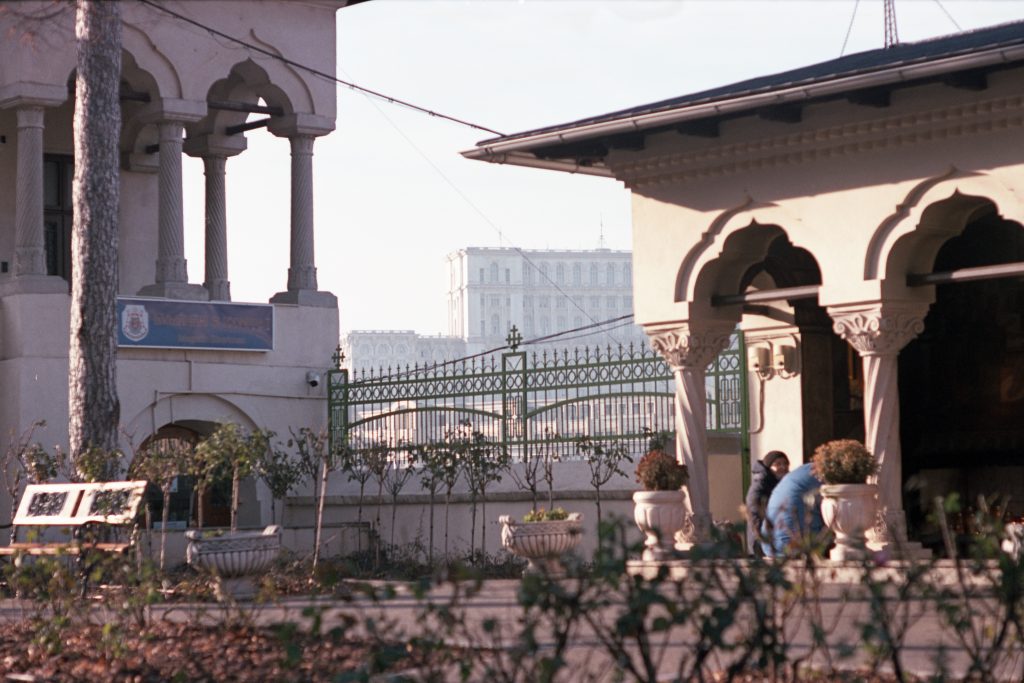
With a similar population of insects and rodents as the aforementioned garages, these Class I (Seismic Risk) architectural gems built for insurance agencies in 1927 host a mixture of AirBnBs, holiday rentals and videochat studios. The gloriettes, inspired by French garden pergolas, offer breathtaking panoramas of the Unirii area and the almost 3km long Unirii Boulevard, consisting entirely of socialist blocks of flats modelled after the ones you are standing in. Feel free to count the much less functional “handles” of the Ceaușescu-era blocks and wave at the spirits of Communist Party members that float around them.
Although scoring rather low on tidiness and accessibility (the elevators are seldom working, not that you would like them to), their proximity to the banking sector and one of the three overtly fascist buildings in the city can be either uncomfortable or empowering, depending on your outlook.
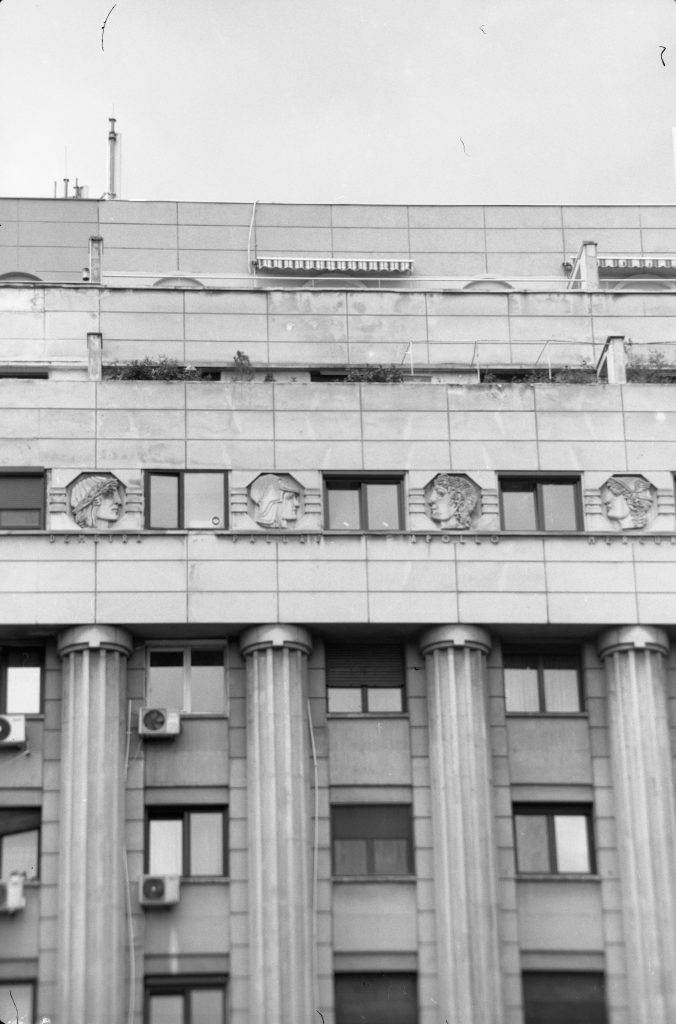
The gods are always watching
6. The House of the Free Press
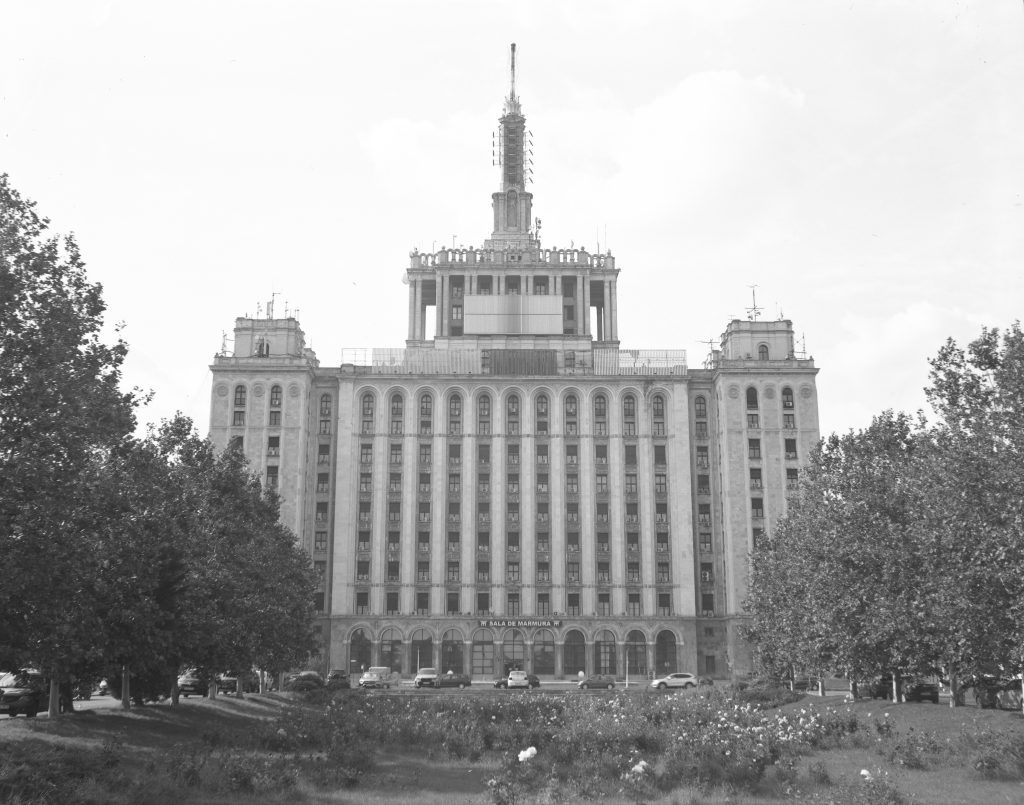
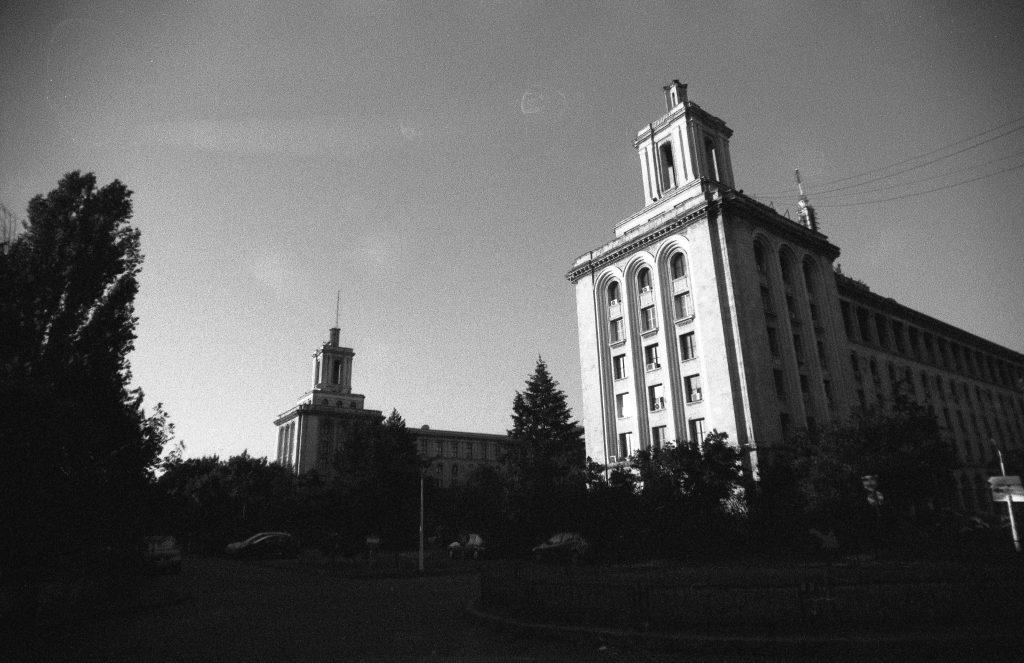
Now we’re getting into areas circulated less by the living and more by… the others. Some say the literal spectre of Marx sometimes hangs around here – just don’t tell Derrida. From the outside and from 85% of the inside, this behemoth looks abandoned and often straight out of The Shining. One could not be more wrong: the state-owned building still holds some functioning offices and rents out the remainder to a wedding venue, TV and radio stations and artist studios. A goldmine for liminal space enthusiasts, the House of the Free Press offers countless seemingly endless dark, damp and barely lit corridors looping onto themselves. If, between weary typographers (which you probably won’t be able to tell if they’re alive or dead) you bump into a gallantly dressed, confused bourgeois from yesteryear, very gently inform them that the Băneasa Racecourse has been moved to the afterlife.
5. Malmaison
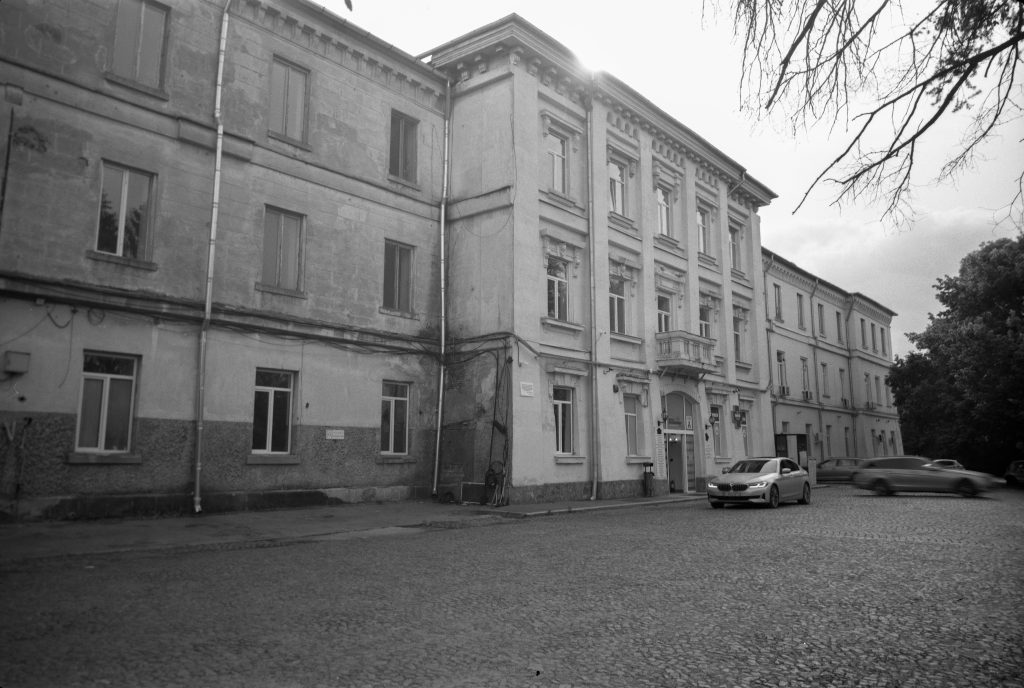
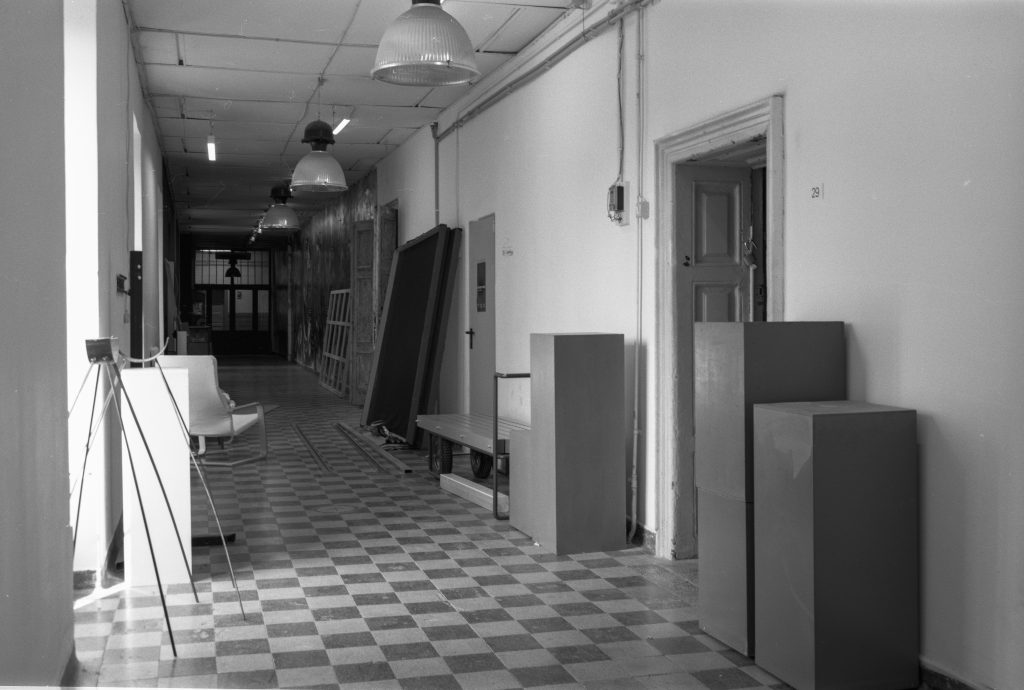
In a similar arrangement with the previous entry, two-thirds occupied by a private clinic and one-third by artists, Malmaison has been a place of power abuses under every regime imaginable. Army garrison turned tribunal and prison during the monarchy, used for high-profile political prisoners during fascist and communist rule, it is now known for the steep gap in rent prices between the clinic side and the artist side (I will let you guess which category is the disadvantaged…). Even colder and damper than the House of the Free Press, you need thick clothes and nerves of steel to get anything going among the echoes of muffled screams emanating from the concrete-sealed basement. And the concrete is so thick that not even a spectral form can cross it, and trust me, I have tried. To add to the physical difficulty, sometimes the ghosts of anti-communist political dissidents like Iuliu Maniu, who no sane person would like to disappoint.
4. The Uppermost Floors of the “Circuses of Hunger”
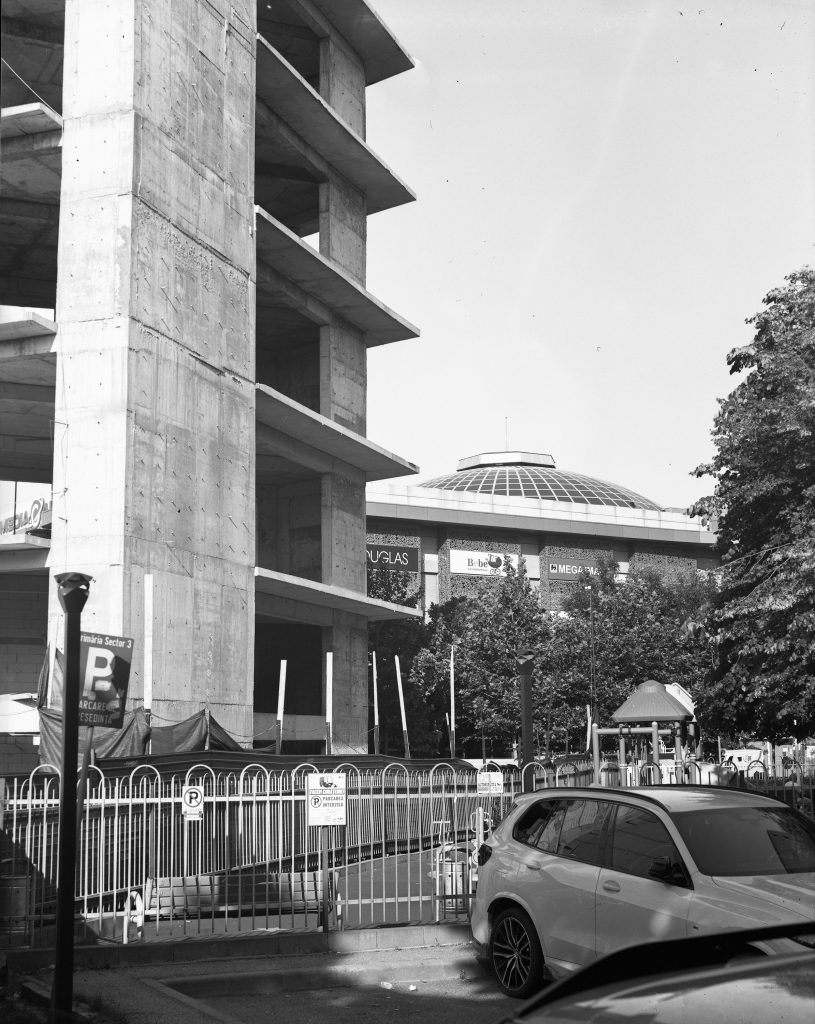
These glass-domed buildings were intended to be communist commercial agroindustrial complexes, with stores, farmer markets and food distribution centres, except that at the time there was no food to be distributed and no goods to be sold, hence the nickname. They were mainly converted into shopping malls, the one in Vitan becoming the first mall in the country. With more than 20 shopping malls in and around Bucharest, once the consumerist craze dwindled in the 2010s, most of them started depopulating from top to bottom, leaving a plethora of barren spaces in their top floors (the five-level Unirea Shopping Centre has almost all but the ground floor closed off). Not as impractical as Malmaison or the House of the Free Press, but slightly more depressing, the Romanian versions of ghost malls are great spots to ponder whether capitalist democracy is destined to follow the same path as the previous regimes.
3. Cathedral Plaza and Millennium Plaza
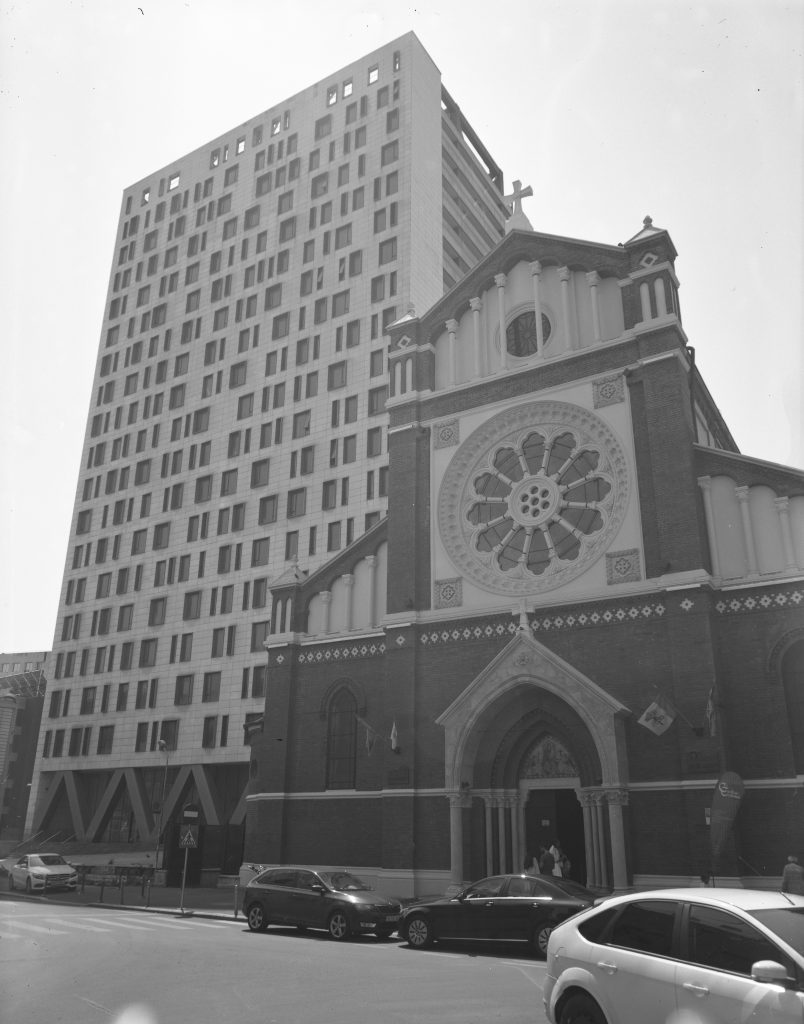
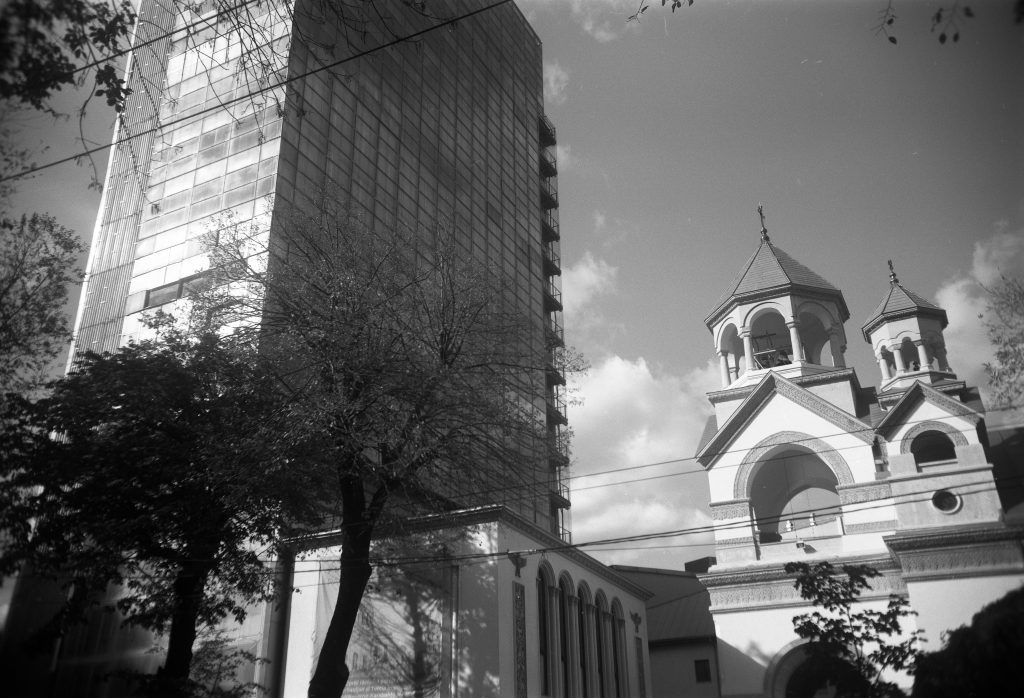
A double bill of glass giants built next to much smaller churches, these two skyscraper wannabes offer excellent bungee jumping opportunities, as long as you can avoid impaling yourself on the church spire. Illegal in their construction and theoretically facing impending, yet never-arriving demolition, the Plazas were intended as office buildings for multinational corporations. Needless to say, people were not very keen on the whole massive-business-centre-literally-overshadowing-an-important-site-of-spirituality thing, which was reminiscent of the communist regime’s contempt for sites of worship amid scepticism towards foreign investors (Ghyka 2015:152-153).
As you climb up the stairs and face increasingly strong drafts of air (and a subtle tremble of the empty building’s entire structure), you can count the failures that made it all possible: failure to comply with regulations, failure to integrate into the surroundings, failure to enforce the law, and ultimately failure to protect and respect the citizens. It might make you contemplate your own failures in life while struggling to find people to cruise with, since barely anyone can make it past the guards whose job is to keep the building empty.
2. Sun Plaza
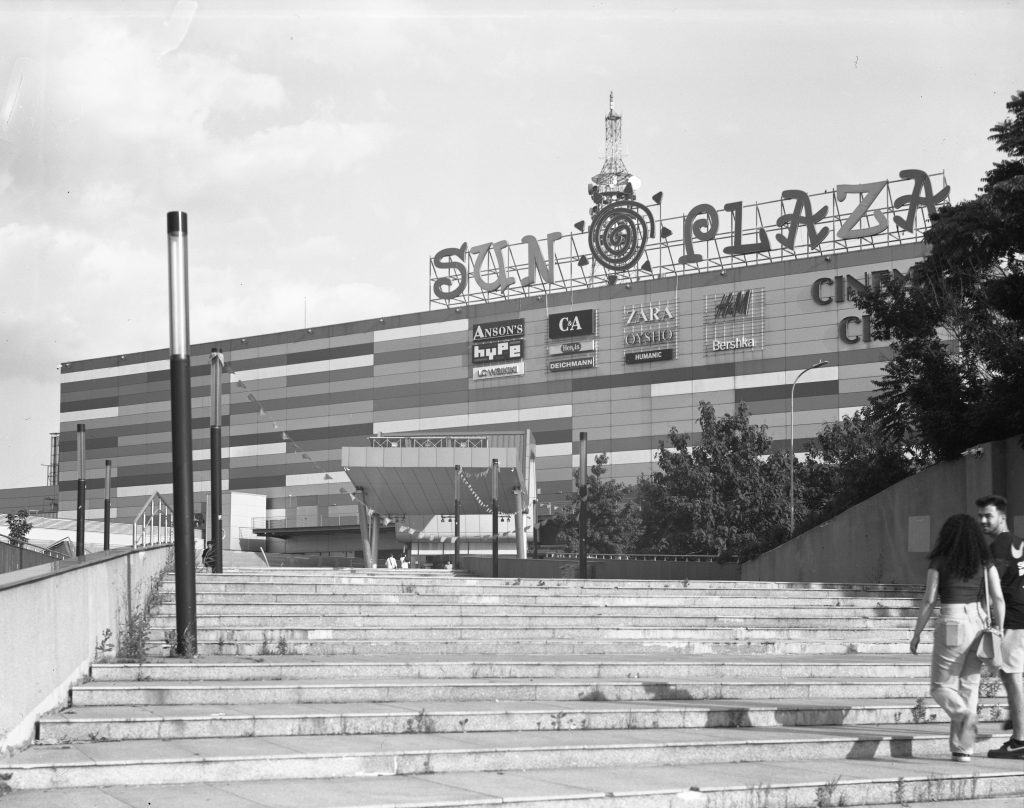
What can be worse than a large modern building overshadowing an important historical site? A large modern building built on top of one, of course. Sun Plaza sums up the last few entries into one: a once very popular shopping mall (one of the few still doing quite well) built on grounds that belonged to an 18th-century monastery, which was turned into a prison that held some prominent figures. The massive Văcărești Monastery was first repurposed in 1848, with its dormitories holding inmates instead of clergy. It was closed in 1973, renovated in order to be turned into a museum, its empty premises guarded for a few years until 1984, when, after the Patriarch refused to take the building into custody, fearing his administrative seat would be relocated there, Ceaușescu ordered it to be demolished. Among sports and clothing stores, you might encounter a stray writer (Arghezi or Slavici) or even ex-dictator Gheorghiu-Dej out for a stroll.
Ironically, it is the most practical cruising spot on this list since number 8 (and I suspect it is sometimes used by the living, too) – but having read the article, why would you?
1. The Giant Concrete Slab Next to the National Library
It’s right there, in front of everyone. Both extremely exposed and uncomfortable to access, its only redeeming feature is that by the time anyone notices anything and tries to reach you, avoiding the glass shards, water pits, random holes, and without tripping on the million protruding stubs of rebar, you’ve already gone somewhere else. With its periphery inhabited by homeless people amid piles of rubbish and by the ghosts of residents who saw their entire neighbourhood demolished for absolutely nothing to be built on it, this slab is the only remnant of an intended opera house that never got built past its foundation. Its other discussed uses – a “justice quarter”, a residential complex, another shopping mall – all lived exclusively on paper, its mysterious concrete shapes and its rebar stubs, traces of a forest of metal that, according to legend, vanished in one night under a small army of angle grinders, are staunch reminders of unrealised potential and administrative neglect. What can be worse than building something disrespectful of its environment and history? Building nothing at all.
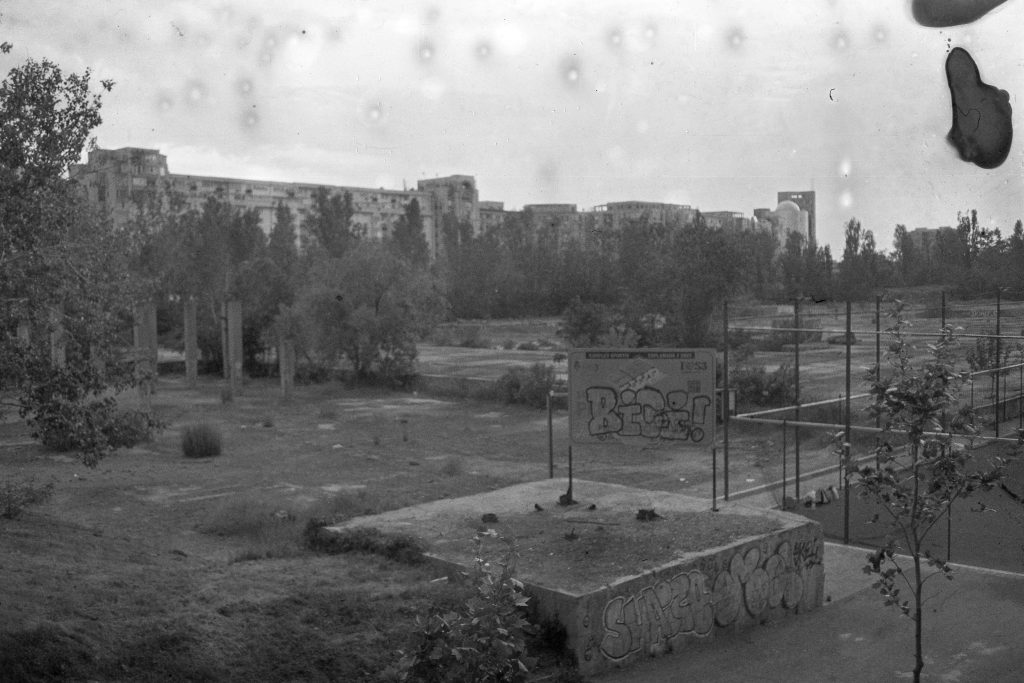
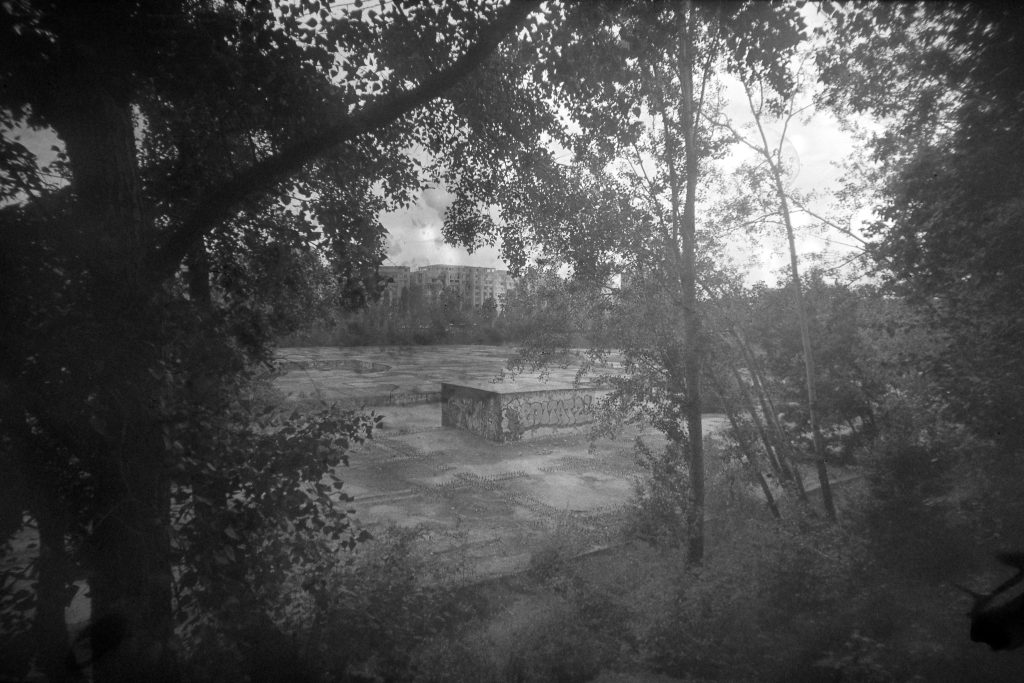
To end on a less gloomy note, I shall clue you into one half-decent cruising spot filled with friendly, open-minded, and curious individuals, with gorgeous views of the city(‘s plentiful construction sites). I won’t divulge its location, but you shouldn’t have trouble figuring it out. Just avoid it around noon, on Sundays, or on public holidays. Thank you for your attention to this matter. Now I shall head back to my home in Bellu Residence to rest.
Ghyka, Celia. 2015. “Urbanity and Civil Society. The Rise of a New Urban Generation in Bucharest during the 2000s”. In sITA–studii de Istoria şi Teoria Arhitecturii, Universitatea de Arhitectură şi Urbanism “Ion Mincu”.
Stahl, Henri. 1935. “Dâmbovița”. In Buletinul Societăţii Istorico-Arheologice.