
How to (maidan) maidan, or how to make a maidan out of the maidan
Maidane are ubiquitous in Bucharest. They are everywhere, existing at every scale. The word itself, whose meaning shifted from referring to an ‘open space, unbuilt and usually unfenced, inside or outside of the city’ to ‘wasted, unworked, uncultivated, or fallow land’, folds over two centuries of urban transformations. Maidane appear in the suspension of official state or market attention, where something else might take place. The persistence of Bucharest’s maidans reveals a sustained state of disinvestment, while the persistent emergence of ruderal ecosystems, social appropriations, and other more-than-human ecologies suggest that other forms of attention, care, and mobilisations might emerge from the same conditions.
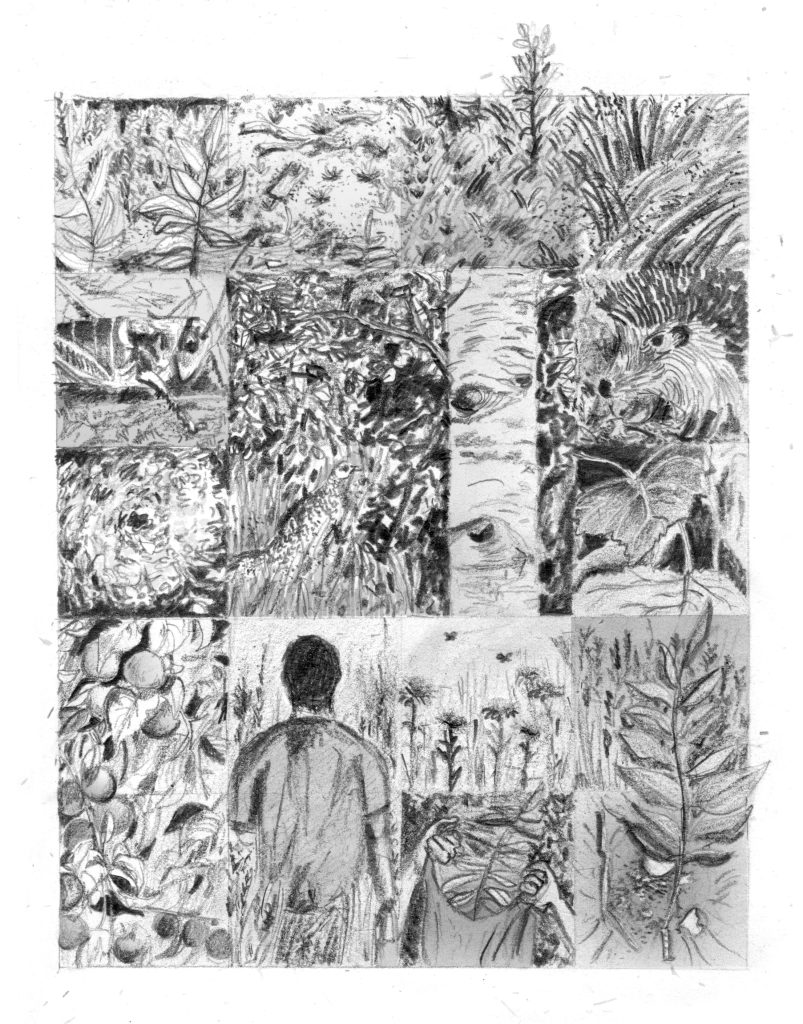
The city holds many things. What it cannot hold is left for its maidane to hold. What the maidan cannot hold, sometimes you can pick up.
These include things like dirt fragments sticks soil bottle caps soot bird song grass shoots seeds trees bees beetles passerby concrete poles moths ants grasshoppers sirens hedgehogs pheasants plastic bags grasses buzzing shrubs trees empty bottles concrete crows birds rubble loiterers bats rain cats leaves rustling logs cigarette butts tamped earth dogs bare ground woodpeckers large sculpted rocks worn paths molten aluminium burnt trees dried and and and
In the suspension of attention where maidane unfurl their existence, maidane make and remake themselves out of the traces of their own transformations.
This includes things like broken concrete grass poplars concrete parked cars grasses ailanthus old rusty fence pile of dirt crows the red of a pheasant broken glass pebbles dirt grasses shrubs fabric caught in a shrub rubble sound of tennis ball bouncing coaches lined up rustle of poplar leaves bird cherry walnut leaf plastic bottle mulberry dog roses pile of compost one single red rose sticks cut tree trunks sticks sticks dried grass concrete knot grass curly dock and and and
To make your own maidan is very easy. First, go to your nearest maidan. Walk around. Find its edges, internal or external. Find your fellow maidanezi. Watch for movements, see who is watching you. Find a leaf. Find a seed. Find a bottle cap. Find a stick. Find a plastic bag. Find an ailanthus to tickle you. Find the breeze on your cheek. Find the foșnet of the young poplars. Find a brick. Find the cool air rising from the ground. Find an empty chip bag. Find all the parts which make the maidan
These include things like dirt fragments sticks soil bottle caps soot bird song grass shoots seeds trees bees beetles passer-bys concrete poles moths ants grasshoppers sirens hedgehogs pheasants plastic bags grasses buzzing shrubs trees empty bottles concrete crows birds rubble loiterers bats rain cats leaves rustling logs cigarette butts tamped earth dogs bare ground woodpeckers large sculpted rocks worn paths molten aluminium burnt trees dried and and and
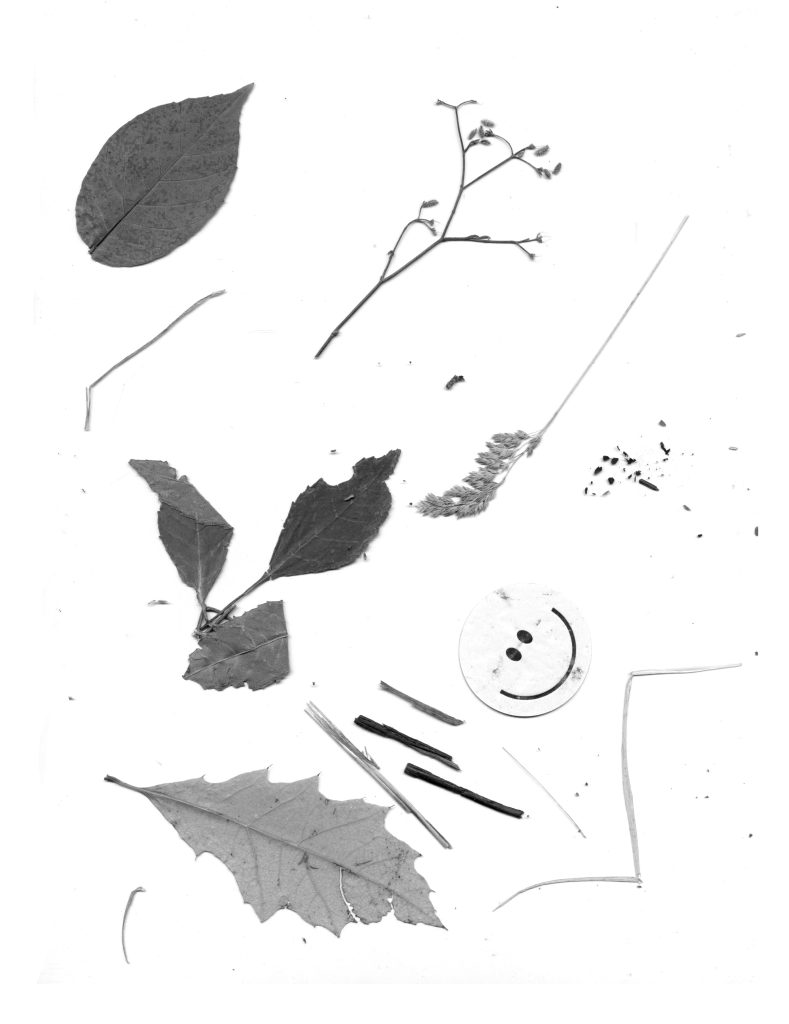
These are the pieces from which you could make another maidan. It won’t belong to you, but you can carry it for a while
(Drawings by Malexan)