Transit Spaces
I propose a reading of three train stations in Bucharest – three transit spaces where different flows, fractured temporalities, and clashing aesthetics converge.
For this, I propose some concepts:
- Non-places (Augé). Transit infrastructures suspend identity in favour of function: signage, timetables, queues. In Bucharest, this neutrality is constantly re-localised by micro-practices: improvised stalls, borrowed benches, small informal markets.
- Heterotopias (Foucault). Stations are “other spaces” with their own thresholds and temporalities, gathering departures/returns, exposed intimacies, and control (tickets, gates, announcements).
- Spectacle (Debord). Branding and commerce colonise waiting; the image of consumption often stands in for the “journey” itself.
- Practices (de Certeau). Travellers’ tactics: detours, shortcuts, choosing a favourite spot, all together negotiating the institutional strategies, often prescribed flows, signage and control.
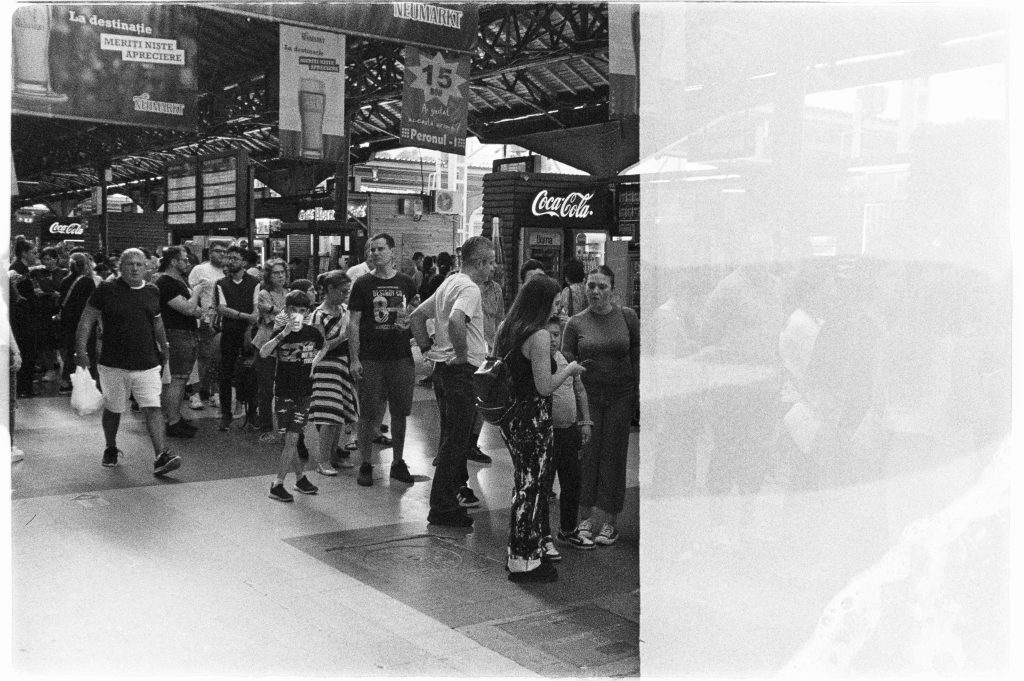
Gara de Nord is Bucharest’s major railway hub, both historically and symbolically, with a modernist-eclectic façade and temporally layered interiors. Currently, modernisation projects promise to reconnect the station to European standards, an aspect reflected in the cafés’ attempts to create a more exclusive context for consumers to stroll around. Inside, international fast-food chains impose a ‘metamodern’ rhythm (oscillating between utilitarian and lifestyle), coexisting with ageing infrastructure and crowded flows of travellers.
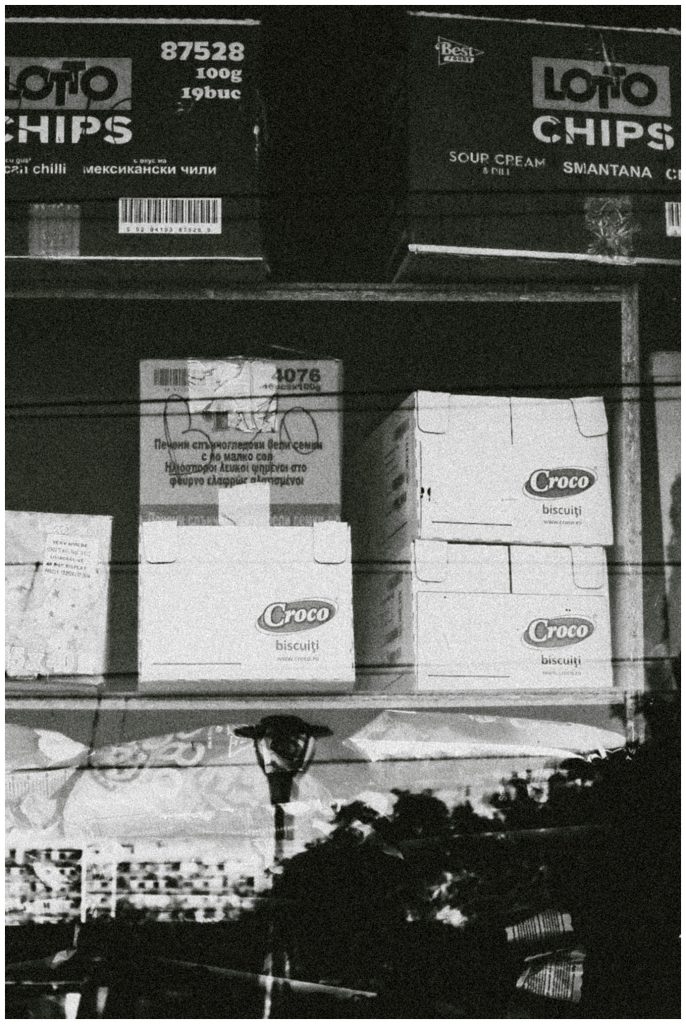
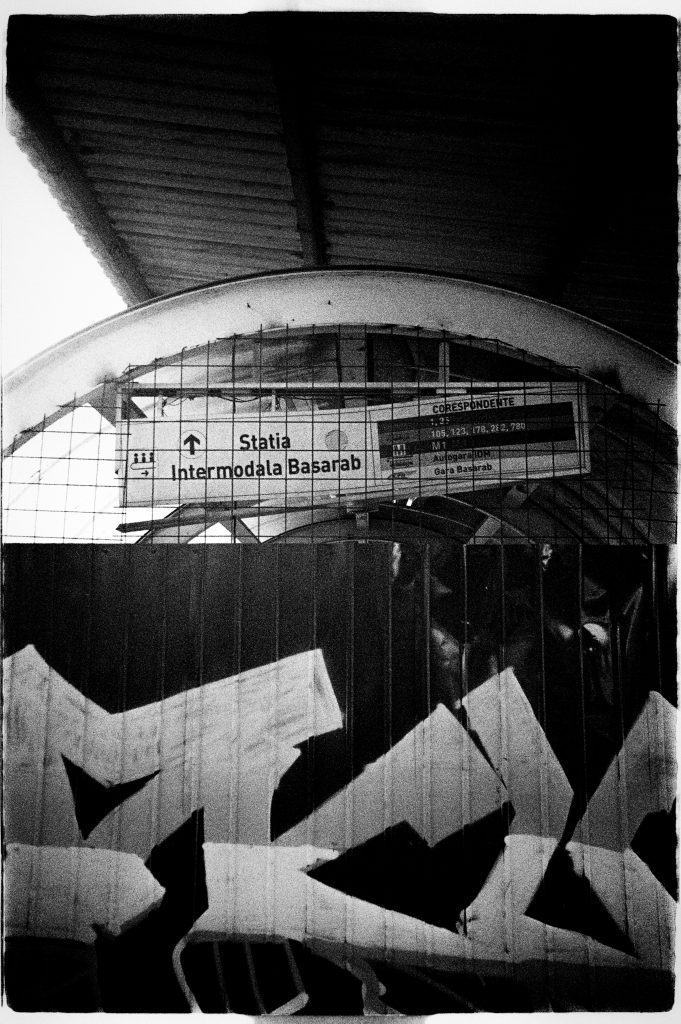
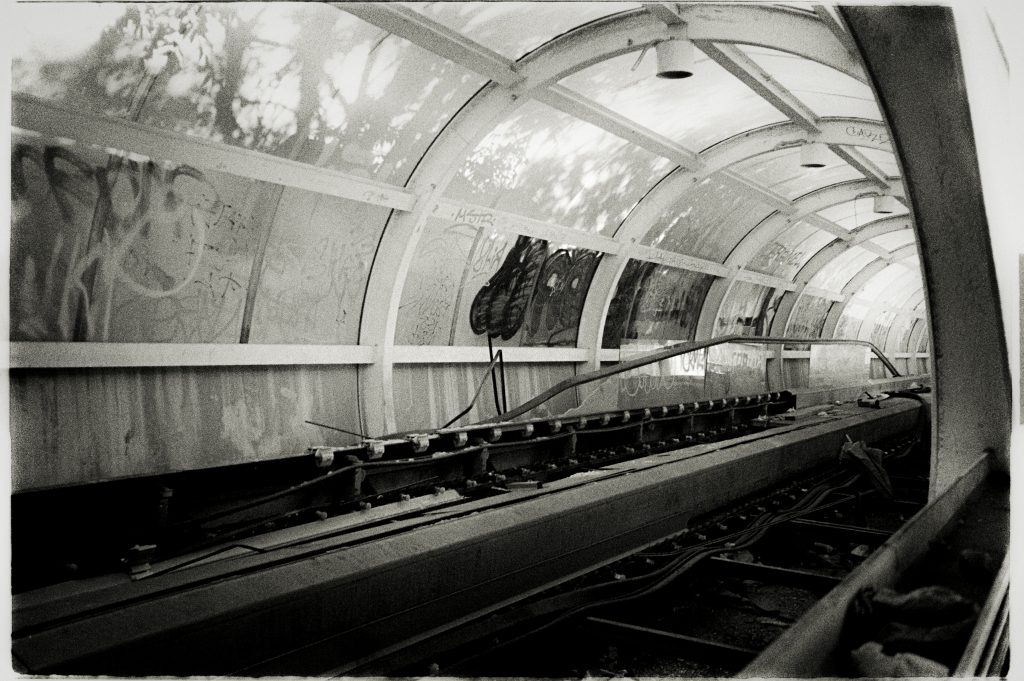
Gara Basarab – the ‘shadow’ of the main hub. It is a secondary station (Bucharest North – Group B), close to the North, directly connected to the metro. It has an air of residual functionality, with departures often regional, minimal infrastructure, all coexisting in spaces that seem disused between trains, but with traces of life. There are small kiosks, mini-markets, pubs and commuter routines.
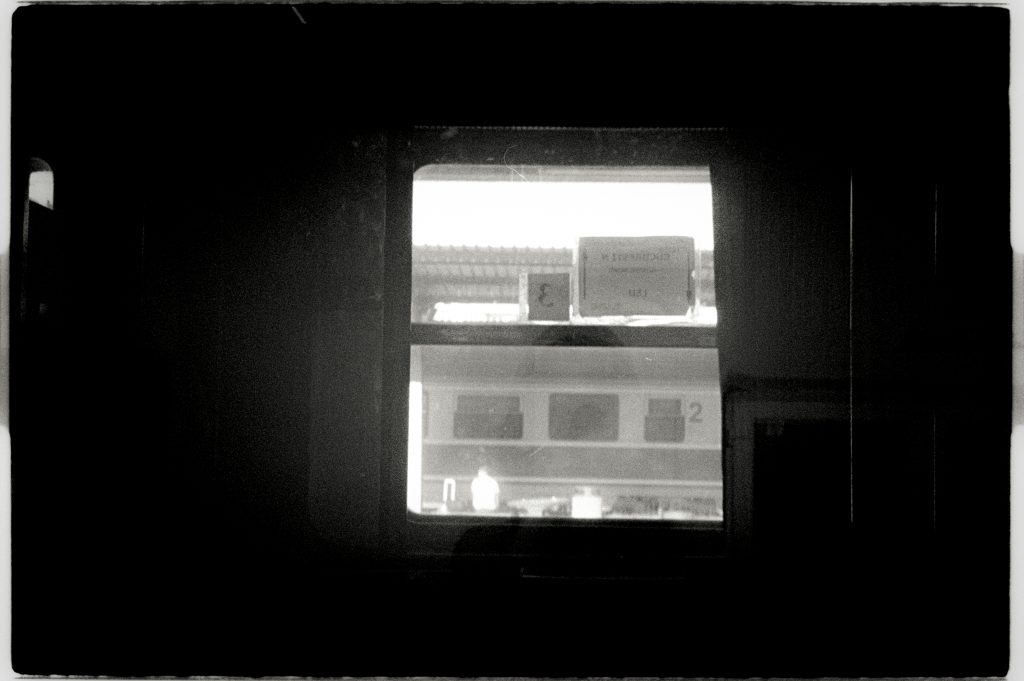
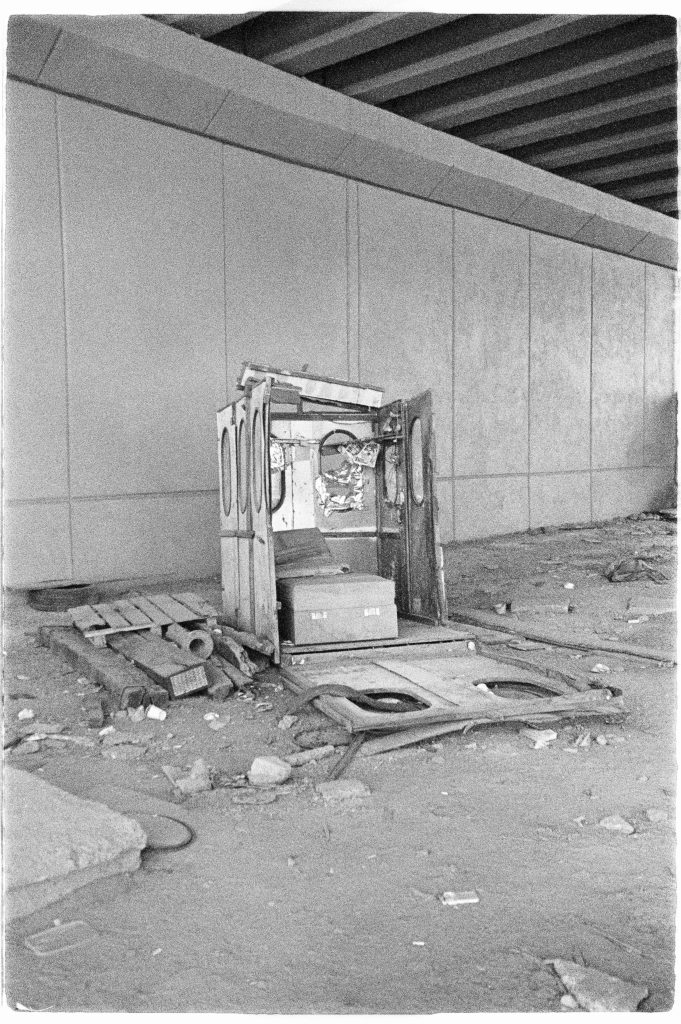
Gara de Est / Gara Obor – now almost a memory, peripheralised, an episodic reactivation. A historic station, with a neo-Romanian architectural expression and a fluctuating role. Currently, reduced traffic, regional connections, and periods of semi-abandonment.
At Gara de Nord, the echo of the large hall serves as a clock: announcements that overlap, hurried footsteps, suitcases that make their own way. At Basarab, there is less chatter, a short and repetitive rhythm, and at Obor, time rarely seems to rush by, almost as if it does not exist. In all three, however, the same layers accumulate: the discreet ruin of communist architecture, the procedural non-place, the spectacle of consumption.
Heterotopia: the station is an ‘other space’, with small and frequent thresholds, where things that don’t go together in other places coexist without much explanation, the ticket, the platform, the announcement. A space which exudes the odd feeling between staying and leaving, between public and private, a suspended time opens up in which co-presences become natural. At Gara de Nord, this can be felt in the mix of people and rhythms.
Non-places: transit stations are standardised, meaning there are certain signals, schedules, busy periods, and even times of crisis. You find yourself a “user”, not a “resident”. And yet, Bucharest always adds its own personal touch. The small routines of travellers tame the space: you sit on the bench you always return to, wait at the kiosk where you get your coffee, and take the shortcut you learn as you go. Obviously, this does not cancel out the neutrality of the station, but it gives it a different aura. It is a kind of memory that is written in habits.
I arrive at Debord’s spectacle without even wanting to: the fast-food queues, the screens, and the smell of pastries seemingly dictate your gaze and your time. In this sense, waiting becomes livable: you buy a coffee, perhaps a sandwich, walk around the lobby, and return. The trip to McDonald’s is sometimes just a bridge between two moments, a small ritual that makes you feel like you belong for a few minutes. It is not the brands themselves that interest me, but the way they end up functioning as symbolic infrastructure. I consider them landmarks on an emotional map of transition, signs that show you where you are in a space of interval.
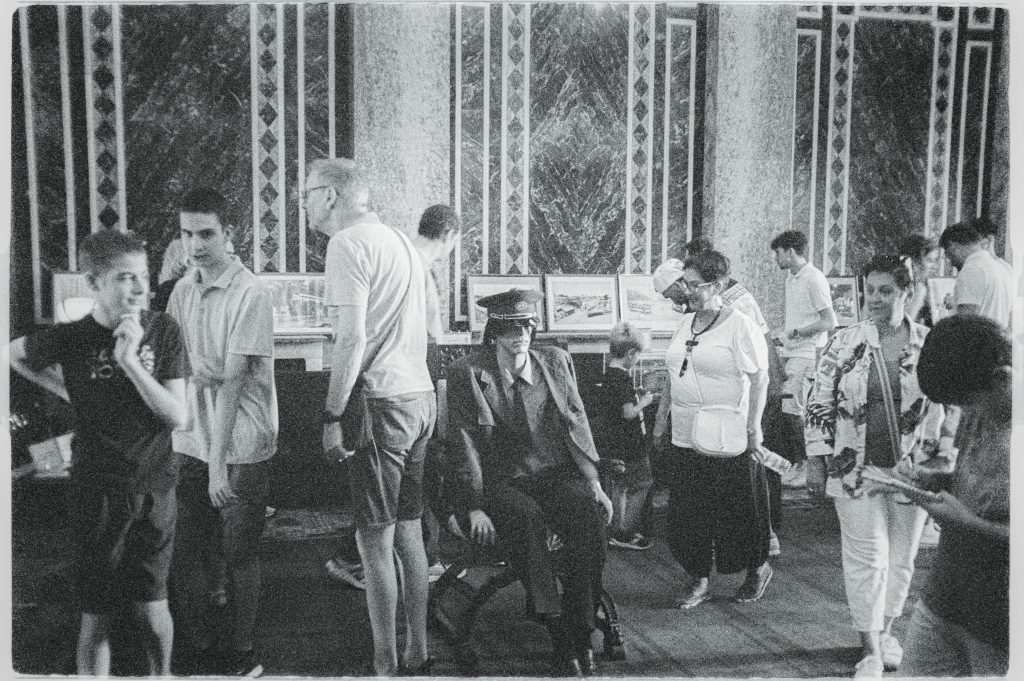
The human cluster at the station is ever-present: social statuses that rarely share the same framework, different languages and ethnicities, customs and travel navigation tactics that overlap for a short time. The rapid commute, passing tourism, the invisible work of operation, the need for shelter, the rituals of consumption – all these aspects make up an intense co-presence, negotiated moment by moment. Behind this clutter, a discreet mechanism is at work: the infrastructure and representation that distribute visibility, comfort, and control, as well as the people who respond with small adjustments to their route, pace, and waiting time.
These stations are palimpsests: each new layer of meaning is laid over old traces without erasing them.